2026
Grantees
PROJECT GRANTEE
Sobia Ahmad and Benny Shaffer
Entangled Terrain
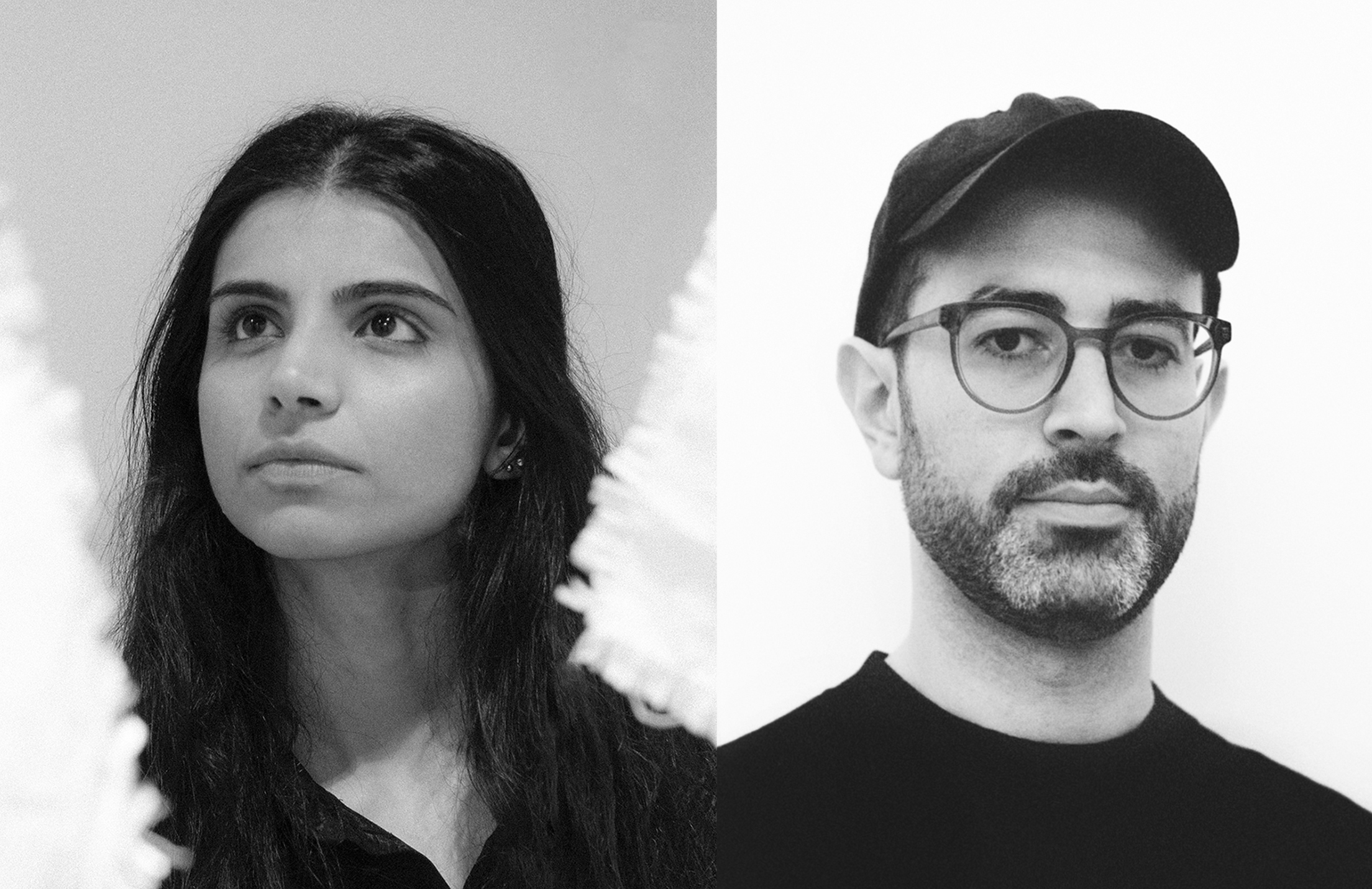
Entangled Terrain is a three-day symposium that brings together a cohort of artists, filmmakers, and poets whose work probes land and film as reciprocal sites of encounter. The symposium, which foregrounds film as an embodied medium, will include a screening of celluloid-based experimental films, a live expanded cinema performance by Ahmad and Shaffer, along with sound artist Jessica Fuquay, and a hands-on film-processing workshop. Addressing notions of ecological interconnectedness, the symposium will explore how materially focused moving-image practices can open up various ways of sensing and relating to land. Cultivate, along with other collaborators, will be a key conversation partner in shaping the project.
PROJECT GRANTEE
abdu ali mongo and Maleke Glee
twurl, a literary journal dedicated to Black gay poetics
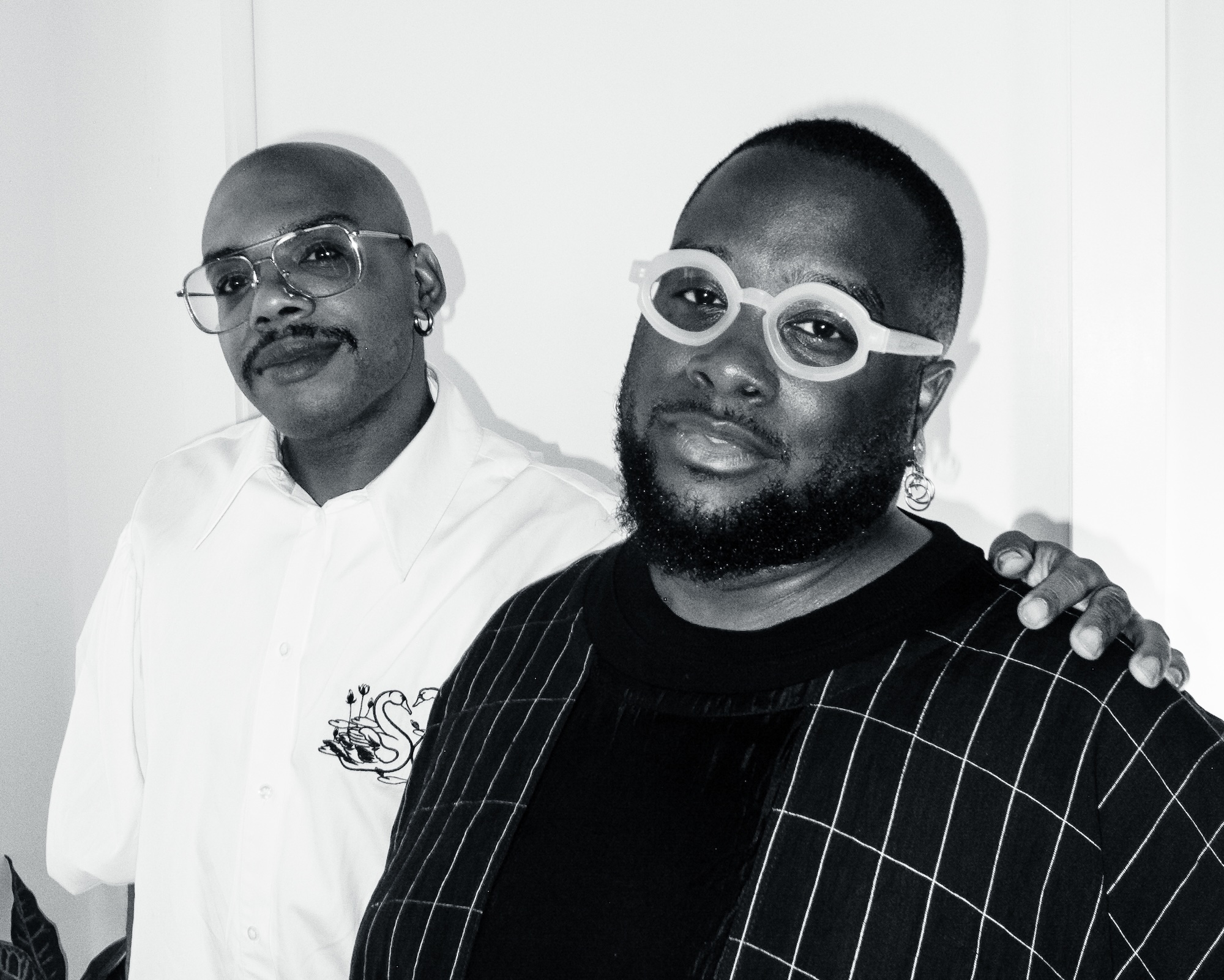
twurl is an annual multi-genre publication inspired by the Black queer body in motion: how we move through the quotidian; how we navigate visibility and survival; and how dance culture, particularly the vogue scene, offers a language for presence, style, and self-determination. The project publishes contemporary prose, poetry, scholarly writing, and photographic works by queer men and masc-identifying people of the African diaspora. Grounded in the legacy of Black oratory history, the Black radical tradition, and the archives of independent Black queer underground publications, twurl extends these lineages into a contemporary journal that centers the Black queer gaze and insists on the value of Black gay everyday life as a site of intellect, pleasure, community, and record. This grant will partially support the production expenses of twurl’s inaugural issue and underwrite a public launch event slated for Fall 2026.
PROJECT GRANTEE
Ama BE
topophilia africana : haptic membra(i)n(e)
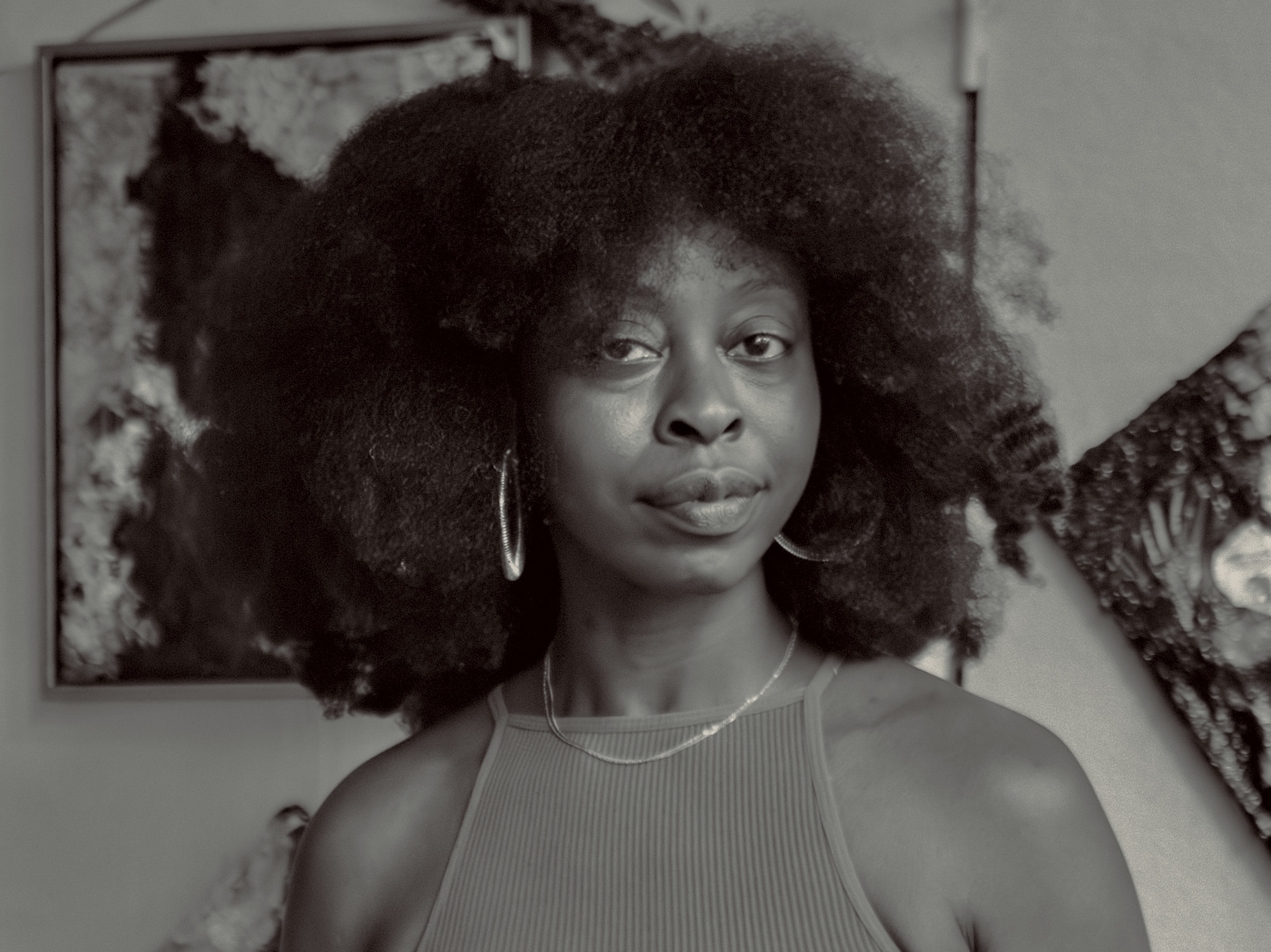
topophilia africana : haptic membra(i)n(e) is a performance dinner that attends to intimacy, saudade, and the entrasensory dimensions of breaking bread to counter longing and fracture inside African immigrant communities. Centering Sudano Sahelian regional cuisines traditionally eaten by hand, the meal foregrounds the shared dexterity of an ecologically unified region that has been actively divided by ethnic difference, and rigid borders, even in the diaspora.
RESEARCH GRANTEE
Gia Harewood
Soil as Witness: Excavating Land, Memory, and Institutional Power
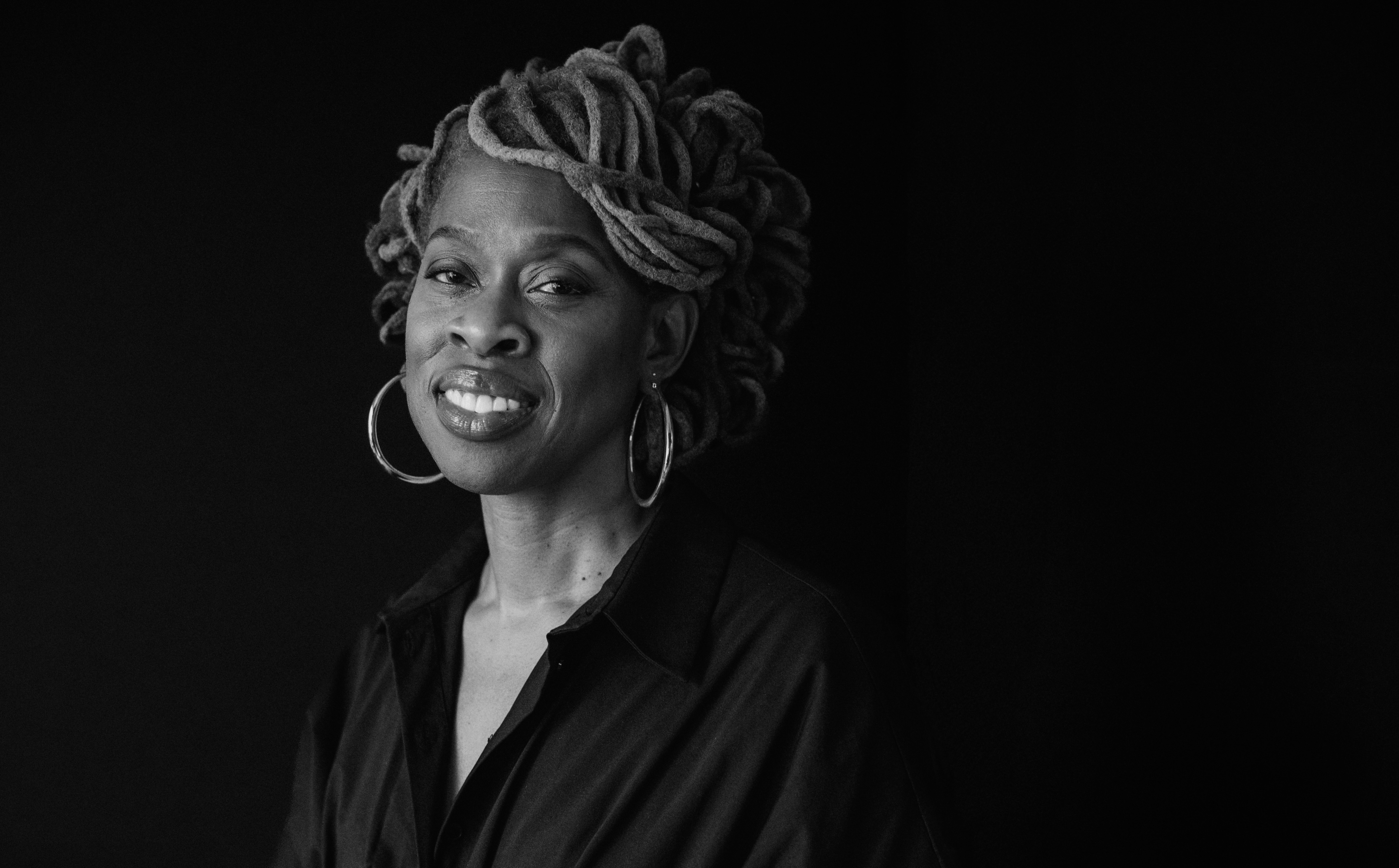
As a member of the Soil Memory Project collective, Harewood is asking the question: What does soil remember that institutions forget? From Kenilworth Park’s layered history, to Bryan Stevenson’s Legacy Soil Collection Project, to Sarah Lewis’s motif of the “ground,” to recently discovered burial sites—this research project seeks to unearth hidden local histories buried below, while finding ways for visual art to educate, heal, and transform.
RESEARCH GRANTEE
Jackie Hoysted
Ancestral Soil, Living Networks
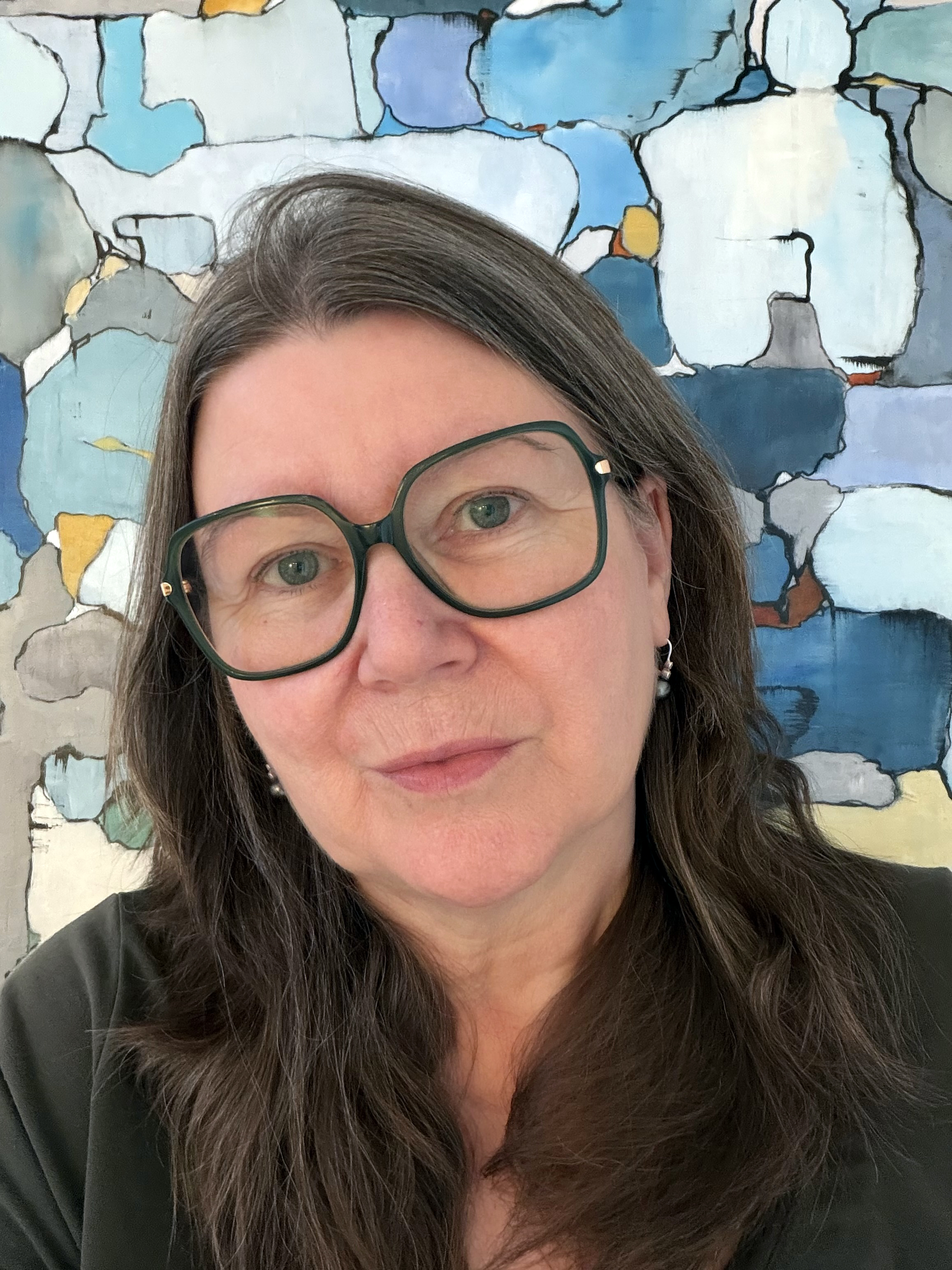
Hoysted’s research explores how art and science can work together to help us better understand fungi. Using DNA imagery and immersive art, she will look at how fungal networks store information, communicate, and make decisions. At the same time, respecting Irish animistic traditions that view fungi and soil as living, aware beings. By connecting this traditional ecological knowledge with modern mycology, the project asks whether new scientific tools can support and affirm older ways of knowing nature, rather than replacing them.
RESEARCH GRANTEE
Brooke Jay and Chrystal Seawood
B O D Y P A R T Y
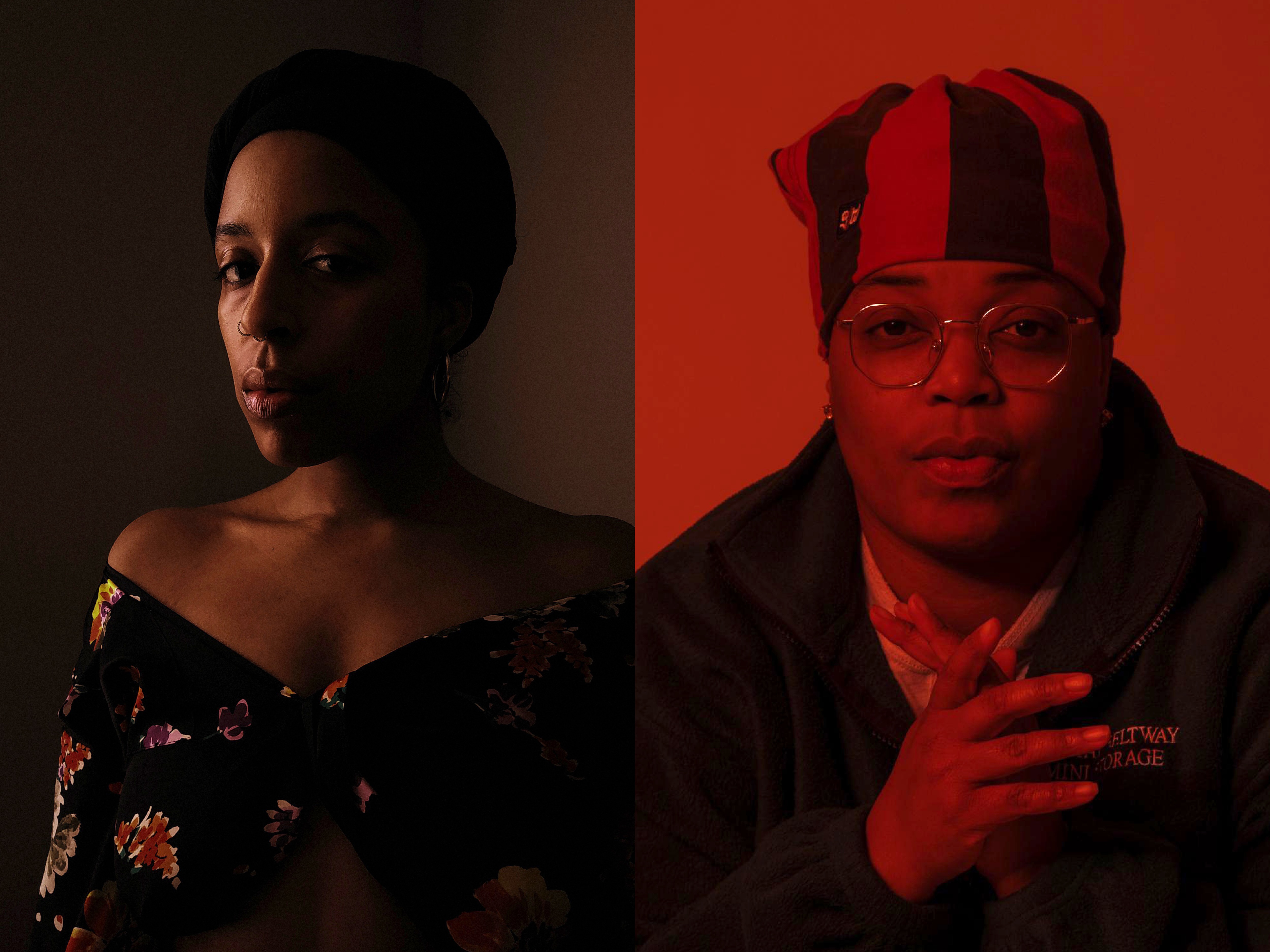
B O D Y P A R T Y is a research project exploring dance as a somatic intervention and embodied inquiry into bodily awareness for Black womxn. Through movement-based research, the project examines how dancers respond somatically and emotionally to different sensory inputs—such as music and lighting—and how those responses shape bodily awareness.
RESEARCH GRANTEE
Christopher Kardambikis
Paper Cuts: An oral history of zines and DIY publications in the 21st century

In an effort to better trace the developments of zines and community-driven DIY publication projects in the 21st century, Kardambikis will collect interviews with people who can speak to a variety of local publishing scenes across the country. The important aspects of small-press—local specificity, hand-made and underground production, informal distribution networks, limited availability, limited lifespan—are what define their strengths and also accurately describe why these projects are so difficult to trace over time. These conversations will be archived and published as part of the Paper Cuts project and podcast.
RESEARCH GRANTEE
Adriana Monsalve
Mississippi / Magdalena

Mississippi / Magdalena uses revisionist history to explore colonized land and waterways elusive to Black and Brown bodies through the displacement of mixed diasporas. This work requires an investigative collaboration and deep connection with the dead, in a playful and irreverent fable that calls legends to life and ghosts to play. Monsalve is grappling with what it means to collaborate with the dead through her grandfather's unpublished stories, whose notebooks of writings were found after his death. To excavate these legacies, she begins by tracing the rivers of her ancestry, from the Mississippi Delta to the Rio Magdalena in Columbia. Both waterways have deep ties to musical traditions including the Blues and Cumbia. Monsalve’s lineage holds the embodiment of two worlds, elusive but embedded in her... two rivers, one sound and diaspora, misplaced on tethered land, in a body between land and sea.
PROJECT GRANTEE
Shariq Shah
Cooking Memory: An Intergenerational Cooking Workshop
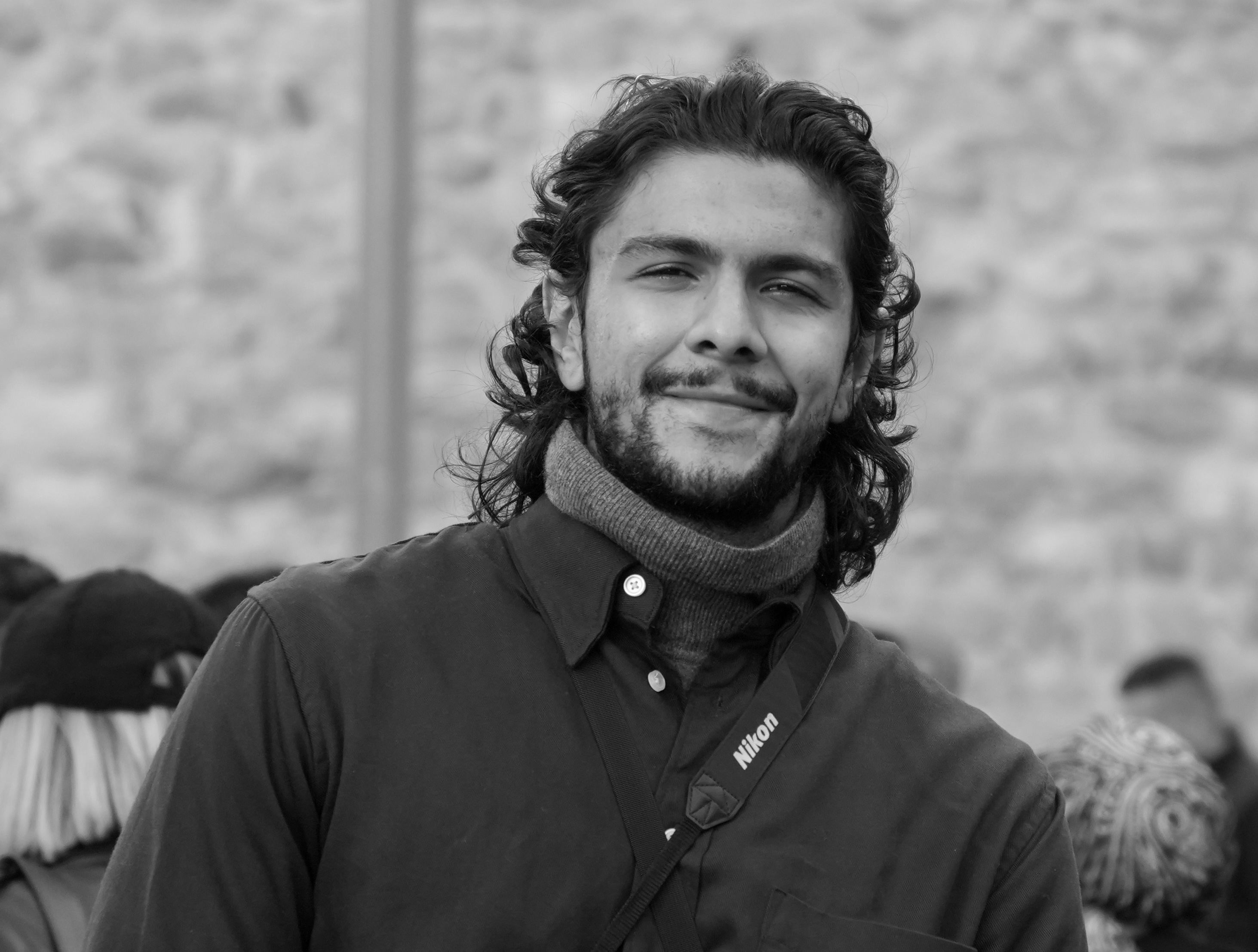
Cooking Memory draws inspiration from the ways in which many mothers and grandmothers reveal their memories in fragments while their hands are at work in the kitchen. This intergenerational cooking workshop seeks to stage a space for an impromptu form of archiving, where the shared act of cooking facilitates the preservation of memory through conversation. Here, the table, the ingredient, and the practice of its preparation become the means by which generational memory is passed down.
RESEARCH GRANTEE
Kat Thompson
Fragments of Memory, Threads of Sound

Thompson’s research investigates how ancestral memory persists through diasporic material, focusing on sound and photographic traces within Caribbean and diasporic communities. Fieldwork will include recording voices, songs, and ambient environments, including Jamaican Patois, and photographing objects, textiles, and spaces that carry intergenerational histories. Combined with archival research and visual documentation, these materials will form a foundation for future photographic and sound-based projects that preserve, activate, and honor the continuity of lineage and memory.
2025 Grantees
PROJECT GRANTEE
Rasha Abdulhadi & Fargo Nissim Tbakhi
No Aesthetic Outside My Freedom: Mourning and Militancy
This project is an iterative, site-specific, partly improvised ritual performance that invites artists to engage in public mourning of Palestinians, reckoning with the immense scale of annihilatory colonial violence while centering the need for ongoing and escalating resistance to the forces of empire across the globe. Artists spanning a range of communities, practices, and lineages have created short performance scores which will then be interpreted by Rasha Abdulhadi and Fargo Nissim Tbakhi through performance, offering a multiplicity of ways to find space for mourning which supports, rather than distracts from, militant resistance efforts.
RESEARCH GRANTEE
Sobia Ahmad
The Allure of Light | رَغبتِ نُور
Sobia Ahmad’s research explores an ancient Sufi parable about a group of moths and a flame. Often told orally and sung in South Asian poetry, the parable is an everyday metaphor for 'seeking.’ Over the grant period, Sobia is conducting a multidisciplinary investigation and expanding on the moth-flame metaphor by engaging with scientists, ethnomusicologists, and devotional poetry and music practitioners from Pakistan and India.
PROJECT GRANTEE
Claire Alrich
this house is a body/this body is a house
This project, organized by Claire Alrich, is a performance celebration of the house that houses D.I.Y. venue RhizomeDC. Practically speaking, it is an installation that knits together a multidisciplinary cohort of artists for a durational, site-specific performance in collaboration with the architecture of the art-space/house. Poetically speaking, this project is an ode to impermanence—the impermanence of spaces, the impermanence of bodies, the impermanence of our bodies within spaces—nothing lasts…and yet traces are left behind: memories, marks, and ghosts.
RESEARCH GRANTEE
Rhea Beckett
Sonic Cartographies: Mapping Place and Identity Through Sound
Rhea Beckett’s research will expand her sonic practice into immersive installations that evoke deeper connections to place, memory, and identity. Through various experiments and collaborations, she will transform auditory experiences into visual space through shared stories and histories.
RESEARCH GRANTEE
Nakeya Brown
Even beloved things move
Conceptual photographer Nakeya Brown’s practice-driven research will explore the history of objects, with a particular focus on uncovering their often overlooked connections to Black femme lives. Drawing on concepts of race, gender, memory, and bio-mythography, Brown’s research will be guided by the following questions: Whose lives can past objects reveal in meaningful ways? What material histories out of Black womanhood remain hidden in plain sight? How can we create Black femme spaces through material culture today?
RESEARCH GRANTEE
Adele Yiseol Kenworthy
The Durational Performance of Cut Flowers
Artist-organizer Adele Kenworthy’s research explores their mother’s rituals of visible hope—ancestral practices absent from museums and archives—as the last remaining connection to her heritage. They focus on the question, “How do we preserve the unspoken oral histories written by our bodies?” and through this inquiry, Kenworthy tends to counter-memories and how they exist in public for the AAPI diaspora in the DC metro area, beginning with the Chinese hand laundries in Old Town Alexandria. In illuminating memories of migration, embodied care, and commemoration, they reimagine a flourishing community archive that practices collective resilience.
PROJECT GRANTEE
Stephanie A. Kimou
The Colonizer’s Trash
The Colonizer’s Trash is a performance lecture and interactive social practice by multidisciplinary artist Stephanie A. Kimou. This work redefines the concept of "trash" to include mindsets, ideologies, and material excess tied to colonial histories of anti-Blackness and exploitation. In line with Stephanie’s ongoing exploration of colonialism’s toxic legacies, the project invites participants to reflect on what they hold onto, and what they can let go of. Through this participatory event, attendees are encouraged to bring items that symbolize colonial structures, which will be collectively examined, repurposed, or discarded as an act of decolonization, reclamation, and communal introspection.
RESEARCH GRANTEE
Tsedaye Makonnen
Light :: ብርሀን :: Berhan
Interdisciplinary artist-curator Tsedaye Makonnen has been drawn to light as a material for many years because of its layered meanings and its scientific and magical properties. This research grant will enable her to expand her abilities, language, and knowledge of lighting design to explore the recurring themes in her practice and activism on: migration, intersectional feminism, and reproductive rights, specifically focused on Black femmes and gender expansive individuals.
RESEARCH GRANTEE
Dominick Rabrun
Vèvè-Punk: Digitizing Haitian Vodou
Dominick Rabrun’s research will examine how digital and interactive media can faithfully portray Haitian Vodou, embracing its complexity and fluidity. He will consult practitioners, cultural historians, and artists to ensure respectful representation, while weaving his personal perspective into visuals that challenge the limits of digital technology. By honoring Vodou’s inherent ambiguity, Rabrun will create a framework for immersive, culturally rich experiences that invite audiences to engage with Afro-Caribbean heritage in new and meaningful ways.
PROJECT GRANTEE
Jessica Valoris
Forever in the Path
DC’s prominent landowners, the Burnes and Van Ness families, enslaved dozens of Black people for tobacco cultivation and domestic labor in the Nation’s Capital—a history often neglected and unnamed. Forever in the Path is a public art project by Jessica Valoris that honors the memory of those enslaved here by creating a series of commemorative stained glass panels that tell this untold story. This project invites viewers into an ongoing process of learning, reckoning, and repair. This project is a collaboration between Jessica and First Congregational United Church of Christ (FCUCC). The collaborative design process will be documented and shared through an art book, while programming will engage both the congregation and the wider public in conversations around historic research, reparations in action, and community healing.
2024 Grantees
RESEARCH GRANTEE
Rasha Abdulhadi
Queering tatreez
Rasha Abdulhadi's research focused on the question, “How can tatreez, traditional Palestinian embroidery, be queered, and how can that queering re-engage this indigenous art form as a practice of communal creativity and pre-literate communication?”
PROJECT GRANTEE
Rasha Abdulhadi & Fargo Nissim Tbakhi
No Aesthetic Outside My Freedom: Mourning and Militancy
This project is an iterative, site-specific, partly improvised ritual performance that invites artists to engage in public mourning of Palestinians, reckoning with the immense scale of annihilatory colonial violence while centering the need for ongoing and escalating resistance to the forces of empire across the globe. Artists spanning a range of communities, practices, and lineages have created short performance scores which will then be interpreted by Rasha Abdulhadi and Fargo Nissim Tbakhi through performance, offering a multiplicity of ways to find space for mourning which supports, rather than distracts from, militant resistance efforts.
PROJECT GRANTEE
Niki Afsar
Shab-e-Shehr: A Night of Gathering
“Shab-e-shehr” translates from Farsi to “night of poetry,” and references informal gatherings to share and discuss poetry, stories, conversations, and music. This project, organized by Niki Afsar, included four gatherings, ending on the holiday Shab-e-Yalda. Niki invited Iranian and diasporic artists to share their work, and included an open portion for anyone attending to share poetry, music, and thoughts on how to continue solidarity with the current revolution in Iran.
RESEARCH GRANTEE
Sobia Ahmad
Memory is a Homeland
Sobia Ahmad explored how textiles and traditional crafts preserve cultural memory and ancestral knowledge, specifically that of immigrant and indigenous communities.
RESEARCH GRANTEE
Sobia Ahmad
The Allure of Light | رَغبتِ نُور
Sobia Ahmad’s research explores an ancient Sufi parable about a group of moths and a flame. Often told orally and sung in South Asian poetry, the parable is an everyday metaphor for 'seeking.’ Over the grant period, Sobia is conducting a multidisciplinary investigation and expanding on the moth-flame metaphor by engaging with scientists, ethnomusicologists, and devotional poetry and music practitioners from Pakistan and India.
PROJECT GRANTEE
Sobia Ahmad and Benny Shaffer
Entangled Terrain
Entangled Terrain is a three-day symposium that brings together a cohort of artists, filmmakers, and poets whose work probes land and film as reciprocal sites of encounter. The symposium, which foregrounds film as an embodied medium, will include a screening of celluloid-based experimental films, a live expanded cinema performance by Ahmad and Shaffer, along with sound artist Jessica Fuquay, and a hands-on film-processing workshop. Addressing notions of ecological interconnectedness, the symposium will explore how materially focused moving-image practices can open up various ways of sensing and relating to land. Cultivate, along with other collaborators, will be a key conversation partner in shaping the project.
PROJECT GRANTEE
abdu ali mongo and Maleke Glee
twurl, a literary journal dedicated to Black gay poetics
twurl is an annual multi-genre publication inspired by the Black queer body in motion: how we move through the quotidian; how we navigate visibility and survival; and how dance culture, particularly the vogue scene, offers a language for presence, style, and self-determination. The project publishes contemporary prose, poetry, scholarly writing, and photographic works by queer men and masc-identifying people of the African diaspora. Grounded in the legacy of Black oratory history, the Black radical tradition, and the archives of independent Black queer underground publications, twurl extends these lineages into a contemporary journal that centers the Black queer gaze and insists on the value of Black gay everyday life as a site of intellect, pleasure, community, and record. This grant will partially support the production expenses of twurl’s inaugural issue and underwrite a public launch event slated for Fall 2026.
PROJECT GRANTEE
Claire Alrich
this house is a body/this body is a house
This project, organized by Claire Alrich, is a performance celebration of the house that houses D.I.Y. venue RhizomeDC. Practically speaking, it is an installation that knits together a multidisciplinary cohort of artists for a durational, site-specific performance in collaboration with the architecture of the art-space/house. Poetically speaking, this project is an ode to impermanence—the impermanence of spaces, the impermanence of bodies, the impermanence of our bodies within spaces—nothing lasts…and yet traces are left behind: memories, marks, and ghosts.
RESEARCH GRANTEE
Ama BE
Ngo {Palm Oil}
This trans-disciplinary archival project by Ama BE interrogated unseen, voluntary, land-based African labor that helped feed migrated families and preserve cultural practices on foreign soil. Centered around African migrations to the DC area between 1960–1990, Ngo {Palm Oil} collected nuanced narratives around performances of Black labor, sacred land stewardship, and redressed absences of African migrants from the landscape of contemporary Africainity and futurist discourses.
PROJECT GRANTEE
Ama BE
topophilia africana : haptic membra(i)n(e)
topophilia africana : haptic membra(i)n(e) is a performance dinner that attends to intimacy, saudade, and the entrasensory dimensions of breaking bread to counter longing and fracture inside African immigrant communities. Centering Sudano Sahelian regional cuisines traditionally eaten by hand, the meal foregrounds the shared dexterity of an ecologically unified region that has been actively divided by ethnic difference, and rigid borders, even in the diaspora.
RESEARCH GRANTEE
Rhea Beckett
Sonic Cartographies: Mapping Place and Identity Through Sound
Rhea Beckett’s research will expand her sonic practice into immersive installations that evoke deeper connections to place, memory, and identity. Through various experiments and collaborations, she will transform auditory experiences into visual space through shared stories and histories.
RESEARCH GRANTEE
Monica Jahan Bose
Mukhe Mukhe/Mouth-to-Mouth
Monica Jahan Bose researched the intangible heritage of songs, poetry, and food in DC and Bangladesh, to reframe the story of climate injustice in these two communities.
RESEARCH GRANTEE
Nakeya Brown
Even beloved things move
Conceptual photographer Nakeya Brown’s practice-driven research will explore the history of objects, with a particular focus on uncovering their often overlooked connections to Black femme lives. Drawing on concepts of race, gender, memory, and bio-mythography, Brown’s research will be guided by the following questions: Whose lives can past objects reveal in meaningful ways? What material histories out of Black womanhood remain hidden in plain sight? How can we create Black femme spaces through material culture today?
PROJECT GRANTEE
Fabiola Ching and Mayah Lovell
dyke’s day, a holigay
dyke’s day, a holigay is a multimedia and multisensory publication about a surrealist holiday for lesbians organized by Fabiola Ching and Mayah Lovell. Writers and artists worked together to write and visualize a continuation of an existing manuscript by Mayah, resulting in a 25-30 page body of work exploring what a holiday for lesbians can look, sound, feel, taste, and smell like.
RESEARCH GRANTEE
Alina Collins Maldonado
Mother, May I?
Alina Collins Maldonado researched traditions and expectations passed down from mothers to their daughters and how those same traditions and expectations define who they are. By conducting interviews and community workshops with women in the DC area, Alina pursued answers to questions about the traditions we choose to pass on and which ones we choose to leave behind.
RESEARCH GRANTEE
CONTROL-ALT-DELETE (Dawne Langford, Dafna Steinberg, and Alex Tyson)
A Series of Interventions in the Gendered Digital Space
This newly formed collective (Dawne Langford, Dafna Steinberg, and Alex Tyson) builds visual language analyzing cyberpsychology, machine learning technology, and popular internet culture. During the grant period, they trained artificial intelligence (using machine learning) to explore gender inequality, performative reconciliation, and define nuances of tone inherent in built-in structures, both online and off.
RESEARCH GRANTEE
Larry Cook
Expanding the Archive
Larry Cook researched the aesthetics of prison and club photography, and their relationship to the photographic archive. This grant supported him in the development of an archive of club vernacular photography.
RESEARCH GRANTEE
Ayana Zaire Cotton
Crafting Care: The Poetics of Design, Computation, and Abolition
Ayana Zaire Cotton researched the relationships between abolitionist technologies and aesthetics to understand how they might help us imagine a liberated future. This involves the study of Indigenous African objects and textiles, and how the fractals in their designs might be used to reorganize our physical world using computing and code.
PROJECT GRANTEE
Ayana Zaire Cotton
Seeda School
Seeda School speculates: what is a pedagogical Black aesthetic? Grounded in an obsession with the immaterial generativity of Black study, Seeda School is a conceptual education platform rooted in worldbuilding. This experimental pedagogical project explores the Black feminist legacy of teaching and leverages online course frameworks, video, and the aesthetic of speculative fiction to help participants imagine new worlds.
RESEARCH GRANTEE
janet e. dandridge
Inquiries on Release and Other Paths to Liberty
janet e. dandridge's research centered on Post/Present-Traumatic Stress Disorder (PPTSD) driven by the question: How can memory, dreams, asylum, and catharsis contribute to holistic healing for individuals who’ve experienced and continue to experience trauma throughout their lives? This research specifically pertains to societal trauma perpetuated by racism and misogyny, and in particular, the PPTSD of Black women and girls.
RESEARCH GRANTEE
Deirdre Darden
Colored exits: the act of liberating oneself from harm
Deirdre Darden’s research explored the idea and the history of the act of liberating oneself from harm; a concept she refers to as a “colored exit.” The colored exit has deep roots driven by Nina Simone's answer to the question: “What does freedom mean to you?" "(No fear!)”
RESEARCH GRANTEE
Rex Delafkaran
TRANSLATIONS: A research into identity, language, and embodiment
Archival forms and transdisciplinary languages are central to Rex Delafkaran's research, which centered questions including: what can a physical archive of experience look like? In what ways do we translate our personal and historical archives into our bodies, and how do these haptic translations deepen and hybridize existing knowledge?
PROJECT GRANTEE
Dirt
Labor of Love: And Other Lies We're Sold
Dirt commissioned original research and content from established writers and organizers who are working to explore, expand, and expose topics of labor, equity, and socio-political justice within the arts.
PROJECT GRANTEE
Mēlani N. Douglass
The People’s Parlor
Organized by Mēlani N. Douglass alongside an intergenerational team serving their signature blue tea, The People’s Parlor aims to expand and elevate the concept of the traditional apothecary by infusing it with modern-day practices that celebrate diversity and inclusivity. The tea salons, guided by an innovative model, provide vibrant hubs where diverse voices can be heard, and community members actively participate in shaping their narratives.
RESEARCH GRANTEE
Jeremiah Edwards and Jeremiah Long
PLACE BASED JUSTICE
With the goal of developing curriculum, this artist-duo (Jeremiah Edwards and Jeremiah Long) studied the impact of place-based education on local youth in DC’s Black community. They pursued answers to a central question: Can a holistic understanding of one’s relationship to a place instill political urgency, social awareness, and the will to uplift one’s community?
PROJECT GRANTEE
Extraordinary Artists International (Naoco Wowsugi)
A Roadmap to the O-1 Visa
This project, led by Naoco Wowsugi, is a guidebook for first time O-1 applicants. It takes the position that these immigration processes are unjust obstructions to living and working in the US that have significant structural and individual consequences, and aims to cultivate a solidarity network among visa seekers, aspiring allies, and supportive cultural institutions in the US.
RESEARCH GRANTEE
Adrienne Gaither
Exploring the Sculptural Language for Embodied Black Aesthetics
Adrienne Gaither used this opportunity to create her own residency and expand her practice through sculptural apprenticeships with seasoned artists and architects. She is continuing to experiment with 3-dimensional forms to further embody Black aesthetics, facilitate world-building, and provide new perspectives on geometric abstraction.
RESEARCH GRANTEE
Curry J. Hackett
DRYLONGSO: AN EXPLORATION OF BLACK LIFE, FOOD, PLANTS, AND LAND
Curry J. Hackett researched "Black landscapes”—exploring the socio-ecological relationships that Black folks foster and maintain within urban environments. His research is based on the assumption that these relationships exist, or can be envisioned, in spite of pervasive neo-colonial attitudes.
RESEARCH GRANTEE
Gia Harewood
Soil as Witness: Excavating Land, Memory, and Institutional Power
As a member of the Soil Memory Project collective, Harewood is asking the question: What does soil remember that institutions forget? From Kenilworth Park’s layered history, to Bryan Stevenson’s Legacy Soil Collection Project, to Sarah Lewis’s motif of the “ground,” to recently discovered burial sites—this research project seeks to unearth hidden local histories buried below, while finding ways for visual art to educate, heal, and transform.
RESEARCH GRANTEE
Michelle Lisa Herman
Up to Code? Where ableism meets patriarchy in art and technology
As a woman artist with disabilities working in and with technology, Michelle Lisa Herman researched the intersection of feminism, technology, art, and disability. Specifically, she looked at the relationships between ableism and patriarchy and the ways in which assumed defaults, when mediated through technology, continue to perpetuate assumptions that disenfranchise all.
RESEARCH GRANTEE
Jackie Hoysted
Ancestral Soil, Living Networks
Hoysted’s research explores how art and science can work together to help us better understand fungi. Using DNA imagery and immersive art, she will look at how fungal networks store information, communicate, and make decisions. At the same time, respecting Irish animistic traditions that view fungi and soil as living, aware beings. By connecting this traditional ecological knowledge with modern mycology, the project asks whether new scientific tools can support and affirm older ways of knowing nature, rather than replacing them.
PROJECT GRANTEE
Imogen-Blue Hinojosa
Cathedral of Cloth
Imogen-Blue Hinojosa's practice engages the public in the discourses surrounding trans rights, including sex workers, trauma, and the need for social reform to protect trans women of color. This new series of work utilized film and textiles as a means to draw parallels between epic poetry and non-fictional epics, and collecting the histories and stories which exist in her community.
RESEARCH GRANTEE
Brooke Jay and Chrystal Seawood
B O D Y P A R T Y
B O D Y P A R T Y is a research project exploring dance as a somatic intervention and embodied inquiry into bodily awareness for Black womxn. Through movement-based research, the project examines how dancers respond somatically and emotionally to different sensory inputs—such as music and lighting—and how those responses shape bodily awareness.
RESEARCH GRANTEE
Andy Johnson
Who Cares for Artists? A Field Guide of Artistic Survival
Andy Johnson’s research was propelled by the question of how artists and creatives sustain challenging practices, ones that require mental, emotional, psychological, and physical agility. His research explored the role of care and repair as it pertains to the integrity of the artist themself, rather than the representation of care in objects or exhibitions. Artists carry the weight of complex and difficult subject matter that demands and depletes. They are challenged to remain whole as they alchemize and distill their relationship to gender identity and expression, class, sexuality, race and ethnicity, and immigration status. Thus, Andy asked: “if artists are tasked with caring for the world, who takes care of artists?”
RESEARCH GRANTEE
Taylor Johnson
The Alternative School for Poetry and Poetic Inquiry
Taylor Johnson's project speaks back to the dominance and inevitability of the creative writing MFA, the current commodification of poetry, and its siloing into academic institutions. He interrogated the question “What does a poet do?”, prompted by Gwendolyn Brooks’ questioning of her role as Consultant in Poetry at the Library of Congress, and other related lines of inquiry into the making and nurturing of the practice, creative life, and livelihood of an artist. This inquiry was supported by research into the lives and works of three Black revolutionary thinkers and artists whose work shapes the social, cultural, and communal landscapes of the DC area: Benjamin Banneker, James Hampton, and Georgia Mills Jessup.
RESEARCH GRANTEE
Christopher Kardambikis
Paper Cuts: An oral history of zines and DIY publications in the 21st century
In an effort to better trace the developments of zines and community-driven DIY publication projects in the 21st century, Kardambikis will collect interviews with people who can speak to a variety of local publishing scenes across the country. The important aspects of small-press—local specificity, hand-made and underground production, informal distribution networks, limited availability, limited lifespan—are what define their strengths and also accurately describe why these projects are so difficult to trace over time. These conversations will be archived and published as part of the Paper Cuts project and podcast.
RESEARCH GRANTEE
Adele Yiseol Kenworthy
The Durational Performance of Cut Flowers
Artist-organizer Adele Kenworthy’s research explores their mother’s rituals of visible hope—ancestral practices absent from museums and archives—as the last remaining connection to her heritage. They focus on the question, “How do we preserve the unspoken oral histories written by our bodies?” and through this inquiry, Kenworthy tends to counter-memories and how they exist in public for the AAPI diaspora in the DC metro area, beginning with the Chinese hand laundries in Old Town Alexandria. In illuminating memories of migration, embodied care, and commemoration, they reimagine a flourishing community archive that practices collective resilience.
RESEARCH GRANTEE
Cecilia Kim
Humanizing Invisible Labor
This project aimed to humanize the production of invisible transnational labor. To trace the labor of “productive” industries such as mass-manufacturing plants for consumer goods, Cecilia Kim connected with individual workers and their communities in the larger social fabric. Using documentary film to expand social impact and accessibility, the film served as a record of invisible labor and channel for unrepresented voices.
PROJECT GRANTEE
Stephanie A. Kimou
The Colonizer’s Trash
The Colonizer’s Trash is a performance lecture and interactive social practice by multidisciplinary artist Stephanie A. Kimou. This work redefines the concept of "trash" to include mindsets, ideologies, and material excess tied to colonial histories of anti-Blackness and exploitation. In line with Stephanie’s ongoing exploration of colonialism’s toxic legacies, the project invites participants to reflect on what they hold onto, and what they can let go of. Through this participatory event, attendees are encouraged to bring items that symbolize colonial structures, which will be collectively examined, repurposed, or discarded as an act of decolonization, reclamation, and communal introspection.
PROJECT GRANTEE
Anthony Le
Vagabond
Vagabond is a zine project featuring contemporary Vietnamese American visual artists, musicians, poets, and writers. 50 years after the end of the war, the project aims to capture current perspectives of the diaspora beyond stories of trauma and displacement. Anthony Le partnered with Philippa Pham Hughes, brought together through their shared interest in exploring the duality of what it means to be Vietnamese and American. The featured artists demonstrated how expansive “Vietnamese American” can be through a diversity of backgrounds, ideas, mediums, and personal and speculative storytelling.
RESEARCH GRANTEE
Madyha J. Leghari
Mothertongue
Madyha J. Leghari’s research employed the metaphor of the ‘mothertongue’ as a comprehensive term to expand on concepts of language and motherhood, both independently and where they intersect. She applied a posthumanist perspective to two interrelated inquiries: first, how might we reconceptualize motherhood if the conventional ties between reproduction, parenthood, and childcare are severed? Second, in what ways can the diverse symbolic and literal interpretations of the 'tongue' contribute to our understanding of language, speech, and inheritance? In this aspect, she proposes a multidisciplinary investigation of the tongue as organ, biomatter, machine, inheritance, and intelligence.
RESEARCH GRANTEE
Armando Lopez-Bircann
Cy-Fae: Queer EcoFeminist Futures in Extended Reality
Armando Lopez-Bircann’s research focuses on how artists can nurture queer ecofeminist thought through emerging Extended Reality (XR) artwork and social technologies. During the grant period, they explored how the artist/activist, or “artivist,” can use affect and glamor to communicate a compelling, optimistic vision of the future.
RESEARCH GRANTEE
Tsedaye Makonnen
Light :: ብርሀን :: Berhan
Interdisciplinary artist-curator Tsedaye Makonnen has been drawn to light as a material for many years because of its layered meanings and its scientific and magical properties. This research grant will enable her to expand her abilities, language, and knowledge of lighting design to explore the recurring themes in her practice and activism on: migration, intersectional feminism, and reproductive rights, specifically focused on Black femmes and gender expansive individuals.
RESEARCH GRANTEE
Stephanie Mercedes
Never in Our Image
This research project by Mercedes focused on how pitches and tones can be pulled from the sound of weapons being destroyed and transformed.
PROJECT GRANTEE
Neha Misra and Fid Thompson
Nature of Us
This collaborative eco-art project is germinated by Neha Misra and Fid Thompson. The project asks: "What plant-tree-human love stories insist on persisting amongst the trials and triumphs of our urban lives? How can reconnecting with nature heal us? What role can art play in this?" The project gathered and celebrated multi-sensory love stories spanning indigenous, migratory plants, weeds, trees, and people with diverse roots in urban landscapes.
RESEARCH GRANTEE
Adriana Monsalve
Mississippi / Magdalena
Mississippi / Magdalena uses revisionist history to explore colonized land and waterways elusive to Black and Brown bodies through the displacement of mixed diasporas. This work requires an investigative collaboration and deep connection with the dead, in a playful and irreverent fable that calls legends to life and ghosts to play. Monsalve is grappling with what it means to collaborate with the dead through her grandfather's unpublished stories, whose notebooks of writings were found after his death. To excavate these legacies, she begins by tracing the rivers of her ancestry, from the Mississippi Delta to the Rio Magdalena in Columbia. Both waterways have deep ties to musical traditions including the Blues and Cumbia. Monsalve’s lineage holds the embodiment of two worlds, elusive but embedded in her... two rivers, one sound and diaspora, misplaced on tethered land, in a body between land and sea.
RESEARCH GRANTEE
Athena Naylor
Yiayia
Athena Naylor investigated the life of her late yiayia (grandmother). Orphaned at a young age in Bursa, Turkey at the turn of the 20th century, her yiayia did not know her own birthday, nor was she very open about her early years. By researching her life, Athena interrogated how family histories are passed down generationally and how personal identities form from these fragmented, inherited stories.
RESEARCH GRANTEE
MJ Neuberger and Susan Main
Meeting Ground
In a time of ongoing environmental, social, racial, and economic inequity, as well as limited physical human connection, can touching the ground recenter attention, help us overcome trauma, and change the way we perceive the world around us? If so, how? Based on these inquiries, MJ Neuberger and Susan Main used their research to create a theoretical, practical, political, and aesthetic base for future projects to grow a community of participants and researchers.
PROJECT GRANTEE
nwaọ
Come Dance With Me
Come Dance With Me is a visual archive by nwaọ, documenting and exploring the stories of dance in the Black Diaspora across history, centering gender and sexuality marginalized folks. The project's final form will be a film using experimental video collage, encompassing archived audio and video footage of Black, gender, and sexuality marginalized (BGSM) people dancing, sourced from public archives such as the DC Africana Archives Project (DCAAP) and the Schomburg Center for Research in Black Culture, the internet, and public events such as the DC One Carnival Parade. As part of this project, nwaọ hosted community dance events with DC-based queer community organizations.
RESEARCH GRANTEE
Anisa Olufemi and Jada-Amina
The Gospel Truth: Sonic Architectures of Chicago House and Go-Go Music
Using The Black Church as a theoretical reference point, The Gospel Truth (TGT) seeks to render Chicago House and Go-Go Music as sonic architectures built in the tradition of transatlantic spirit work. Anisa Olufemi and Jada-Amina's research uncovered the ways in which these sounds engender spiritual restoration, spacemaking, and futurity for Black communities in DC and Chicago.
RESEARCH GRANTEE
Dominick Rabrun
Vèvè-Punk: Digitizing Haitian Vodou
Dominick Rabrun’s research will examine how digital and interactive media can faithfully portray Haitian Vodou, embracing its complexity and fluidity. He will consult practitioners, cultural historians, and artists to ensure respectful representation, while weaving his personal perspective into visuals that challenge the limits of digital technology. By honoring Vodou’s inherent ambiguity, Rabrun will create a framework for immersive, culturally rich experiences that invite audiences to engage with Afro-Caribbean heritage in new and meaningful ways.
RESEARCH GRANTEE
Mojdeh Rezaeipour
Mapping Fragments
Mojdeh Rezaeipour's research focused on a collection of ancient fragments of pottery that originate from over thirty sites located across the Middle East. This inquiry is the beginning of a much more expansive body of research, as well as a first step, perhaps, of a collectively imagined work.
PROJECT GRANTEE
Mojdeh Rezaeipour
On Matters of Resilience
Mojdeh Rezaeipour created the first iteration of On Matters of Resilience in 2017, referencing an archive of images taken of her in the first days of elementary school in Tehran under the Islamic Republic. Since the start of the Jin, Jîyan, Azadî (Women, Life, Freedom) movement in Iran in September 2022, she has been piecing together an image archive of resistance based in these same classrooms across Iran with social media as her source.
RESEARCH GRANTEE
Sanam
Shahmaran's Underground Garden
Sanam launched the Shahmaran Azadi/Freedom project through a zine and talisman in 2022 at the height of the Jin, Jiyan, Azadi/Women, Life, Freedom revolution in Iran. She was inspired by the archetypal images, stories, and collective dreams that were bursting forth in both her Kurdish and Iranian communities. Specifically, those symbols relating to the Kurdish and Indo-Iranic Queen of Serpents, Shahamran. The project transformed into a community-based practice that incorporated ancestral Kurdish remembrance of goddess ritual, Iranian talisman technology, Sufi mysticism, and Islamic/Persian medieval astrology. During the grant period, Sanam further explored the seeds that lay in Shahmaran’s underground garden, inquiring how the prehistoric Kurdish Queen of Serpents is a living knowledge system that continues to instruct and animate the lives of those who answer her call today.
RESEARCH GRANTEE
Asha Santee
ASCENTROIX
Asha Santee researched how galactic escapism—an outer space reverie and sonic frequency—in interaction with racial trauma, can offer healing for the Black community. Realized in collaboration with Black therapists, healers, musicians, and comic artists, Asha’s research was driven by the question, “At what frequencies do Black people experience healing?”
RESEARCH GRANTEE
Krista Schlyer
Soil + Memory
Krista Schlyer's research project focused on uncovering buried memories of environmental injustice, particularly stories surrounding the Kenilworth Dump that was situated on the banks Anacostia River. In addition to collecting oral histories from longtime residents of the area, she worked with the University of Maryland's soil samples collected from that area. Her research will be used for several outcomes, including a collaborative creative work with a group of scientists, artists, and activists.
PROJECT GRANTEE
Shariq Shah
Cooking Memory: An Intergenerational Cooking Workshop
Cooking Memory draws inspiration from the ways in which many mothers and grandmothers reveal their memories in fragments while their hands are at work in the kitchen. This intergenerational cooking workshop seeks to stage a space for an impromptu form of archiving, where the shared act of cooking facilitates the preservation of memory through conversation. Here, the table, the ingredient, and the practice of its preparation become the means by which generational memory is passed down.
PROJECT GRANTEE
The Shmutzik Shmates
The Memories of Letters
This project explored the memories of Jewish letters through the creative imaginings of this collective—a queer, Yiddish burlesque troupe—and a group of artist collaborators throughout the Jewish diaspora. The evolution of Jewish letters and the many languages they came to embody tells a story of diaspora and cultural exchange that destabilizes Zionist narratives of ethno-nationalism and Jewish separatism.
PROJECT GRANTEE
Fid Thompson
REJECT: a celebration of failure and fracture
The central idea of Fid Thompson's project revolved around an unorthodox celebration of failure as a joyful response to empire, capitalism, and militarism. The central question of the project drew from queer theorist Jack Halberstam’s question, “What kind of rewards can failure offer us?” Fid explored the richness and beauty of what we call failure through a curated show called REJECTION: exhibiting failure presented at Rhizome DC in the fall of 2024.
RESEARCH GRANTEE
Kat Thompson
Fragments of Memory, Threads of Sound
Thompson’s research investigates how ancestral memory persists through diasporic material, focusing on sound and photographic traces within Caribbean and diasporic communities. Fieldwork will include recording voices, songs, and ambient environments, including Jamaican Patois, and photographing objects, textiles, and spaces that carry intergenerational histories. Combined with archival research and visual documentation, these materials will form a foundation for future photographic and sound-based projects that preserve, activate, and honor the continuity of lineage and memory.
RESEARCH GRANTEE
Jessica Valoris
Black Fugitive Folklore
Jessica Valoris explored the histories of Black fugitivity, flight, and petit marronage (ways in which enslaved Africans subverted the plantation and captivity through truancy, gatherings, harboring fugitives, creating networks of complicity, and other practices), and how these histories inform current movements for liberation. She uncovered how small acts of freedom actualize larger movements for liberation, and how Black people carry the lineage of petit marronage.
RESEARCH GRANTEE
Jessica Valoris
Open Studio: DC Black Study Sessions
Jessica Valoris researched DC's robust history of enslaved resistance and fugitive practice; being home to large networks of Underground Railroad and abolitionist organizing. Related to her ongoing research, she organized a series of open studio sessions for artists and organizers to participate in Black study.
PROJECT GRANTEE
Jessica Valoris
Forever in the Path
DC’s prominent landowners, the Burnes and Van Ness families, enslaved dozens of Black people for tobacco cultivation and domestic labor in the Nation’s Capital—a history often neglected and unnamed. Forever in the Path is a public art project by Jessica Valoris that honors the memory of those enslaved here by creating a series of commemorative stained glass panels that tell this untold story. This project invites viewers into an ongoing process of learning, reckoning, and repair. This project is a collaboration between Jessica and First Congregational United Church of Christ (FCUCC). The collaborative design process will be documented and shared through an art book, while programming will engage both the congregation and the wider public in conversations around historic research, reparations in action, and community healing.
RESEARCH GRANTEE
Hope Willis and Safiyah Cheatam
Kufis and Pepperoni Pizza
A multimedia oral history project by Hope Willis and Safiyah Cheatam seeking to answer the question, “What influences drove a significant portion of DC’s Black youth to practice Islam and identify as Muslims from 2008–2012?”
PROJECT GRANTEE
Hope Willis and Safiyah Cheatam
Kufis and Pepperoni Pizza
Hope Willis and Safiyah Cheatam's multimedia oral history project that seeks to answer the question, “What influences drove a significant portion of DC’s Black youth to practice Islam and identify as Muslims from 2008–2012?” Through this seemingly simple question, they aim to explore Islam’s relationship to Blackness within an American context. Through their multifaceted and intergenerational cultural preservation work, this project serves as both a testament and an homage to the evolution of Black folks’ expression of Islam.
RESEARCH GRANTEE
Monsieur Zohore
Ghost Stories
Monsieur Zohore used research as a means of resurrecting performances that have gone forgotten as a result of the circumstances they were made in. Their research focused on the following questions: What works haunt the specter of performance art? How can they resurrect them into our present? How can they use the resurrection of historical works to help resurrect performance art in the post-pandemic world?
2023 Grantees
RESEARCH GRANTEE
Rasha Abdulhadi
Queering tatreez
Rasha Abdulhadi's research focused on the question, “How can tatreez, traditional Palestinian embroidery, be queered, and how can that queering re-engage this indigenous art form as a practice of communal creativity and pre-literate communication?”
PROJECT GRANTEE
Rasha Abdulhadi & Fargo Nissim Tbakhi
No Aesthetic Outside My Freedom: Mourning and Militancy
This project is an iterative, site-specific, partly improvised ritual performance that invites artists to engage in public mourning of Palestinians, reckoning with the immense scale of annihilatory colonial violence while centering the need for ongoing and escalating resistance to the forces of empire across the globe. Artists spanning a range of communities, practices, and lineages have created short performance scores which will then be interpreted by Rasha Abdulhadi and Fargo Nissim Tbakhi through performance, offering a multiplicity of ways to find space for mourning which supports, rather than distracts from, militant resistance efforts.
PROJECT GRANTEE
Niki Afsar
Shab-e-Shehr: A Night of Gathering
“Shab-e-shehr” translates from Farsi to “night of poetry,” and references informal gatherings to share and discuss poetry, stories, conversations, and music. This project, organized by Niki Afsar, included four gatherings, ending on the holiday Shab-e-Yalda. Niki invited Iranian and diasporic artists to share their work, and included an open portion for anyone attending to share poetry, music, and thoughts on how to continue solidarity with the current revolution in Iran.
RESEARCH GRANTEE
Sobia Ahmad
Memory is a Homeland
Sobia Ahmad explored how textiles and traditional crafts preserve cultural memory and ancestral knowledge, specifically that of immigrant and indigenous communities.
RESEARCH GRANTEE
Sobia Ahmad
The Allure of Light | رَغبتِ نُور
Sobia Ahmad’s research explores an ancient Sufi parable about a group of moths and a flame. Often told orally and sung in South Asian poetry, the parable is an everyday metaphor for 'seeking.’ Over the grant period, Sobia is conducting a multidisciplinary investigation and expanding on the moth-flame metaphor by engaging with scientists, ethnomusicologists, and devotional poetry and music practitioners from Pakistan and India.
PROJECT GRANTEE
Sobia Ahmad and Benny Shaffer
Entangled Terrain
Entangled Terrain is a three-day symposium that brings together a cohort of artists, filmmakers, and poets whose work probes land and film as reciprocal sites of encounter. The symposium, which foregrounds film as an embodied medium, will include a screening of celluloid-based experimental films, a live expanded cinema performance by Ahmad and Shaffer, along with sound artist Jessica Fuquay, and a hands-on film-processing workshop. Addressing notions of ecological interconnectedness, the symposium will explore how materially focused moving-image practices can open up various ways of sensing and relating to land. Cultivate, along with other collaborators, will be a key conversation partner in shaping the project.
PROJECT GRANTEE
abdu ali mongo and Maleke Glee
twurl, a literary journal dedicated to Black gay poetics
twurl is an annual multi-genre publication inspired by the Black queer body in motion: how we move through the quotidian; how we navigate visibility and survival; and how dance culture, particularly the vogue scene, offers a language for presence, style, and self-determination. The project publishes contemporary prose, poetry, scholarly writing, and photographic works by queer men and masc-identifying people of the African diaspora. Grounded in the legacy of Black oratory history, the Black radical tradition, and the archives of independent Black queer underground publications, twurl extends these lineages into a contemporary journal that centers the Black queer gaze and insists on the value of Black gay everyday life as a site of intellect, pleasure, community, and record. This grant will partially support the production expenses of twurl’s inaugural issue and underwrite a public launch event slated for Fall 2026.
PROJECT GRANTEE
Claire Alrich
this house is a body/this body is a house
This project, organized by Claire Alrich, is a performance celebration of the house that houses D.I.Y. venue RhizomeDC. Practically speaking, it is an installation that knits together a multidisciplinary cohort of artists for a durational, site-specific performance in collaboration with the architecture of the art-space/house. Poetically speaking, this project is an ode to impermanence—the impermanence of spaces, the impermanence of bodies, the impermanence of our bodies within spaces—nothing lasts…and yet traces are left behind: memories, marks, and ghosts.
RESEARCH GRANTEE
Ama BE
Ngo {Palm Oil}
This trans-disciplinary archival project by Ama BE interrogated unseen, voluntary, land-based African labor that helped feed migrated families and preserve cultural practices on foreign soil. Centered around African migrations to the DC area between 1960–1990, Ngo {Palm Oil} collected nuanced narratives around performances of Black labor, sacred land stewardship, and redressed absences of African migrants from the landscape of contemporary Africainity and futurist discourses.
PROJECT GRANTEE
Ama BE
topophilia africana : haptic membra(i)n(e)
topophilia africana : haptic membra(i)n(e) is a performance dinner that attends to intimacy, saudade, and the entrasensory dimensions of breaking bread to counter longing and fracture inside African immigrant communities. Centering Sudano Sahelian regional cuisines traditionally eaten by hand, the meal foregrounds the shared dexterity of an ecologically unified region that has been actively divided by ethnic difference, and rigid borders, even in the diaspora.
RESEARCH GRANTEE
Rhea Beckett
Sonic Cartographies: Mapping Place and Identity Through Sound
Rhea Beckett’s research will expand her sonic practice into immersive installations that evoke deeper connections to place, memory, and identity. Through various experiments and collaborations, she will transform auditory experiences into visual space through shared stories and histories.
RESEARCH GRANTEE
Monica Jahan Bose
Mukhe Mukhe/Mouth-to-Mouth
Monica Jahan Bose researched the intangible heritage of songs, poetry, and food in DC and Bangladesh, to reframe the story of climate injustice in these two communities.
RESEARCH GRANTEE
Nakeya Brown
Even beloved things move
Conceptual photographer Nakeya Brown’s practice-driven research will explore the history of objects, with a particular focus on uncovering their often overlooked connections to Black femme lives. Drawing on concepts of race, gender, memory, and bio-mythography, Brown’s research will be guided by the following questions: Whose lives can past objects reveal in meaningful ways? What material histories out of Black womanhood remain hidden in plain sight? How can we create Black femme spaces through material culture today?
PROJECT GRANTEE
Fabiola Ching and Mayah Lovell
dyke’s day, a holigay
dyke’s day, a holigay is a multimedia and multisensory publication about a surrealist holiday for lesbians organized by Fabiola Ching and Mayah Lovell. Writers and artists worked together to write and visualize a continuation of an existing manuscript by Mayah, resulting in a 25-30 page body of work exploring what a holiday for lesbians can look, sound, feel, taste, and smell like.
RESEARCH GRANTEE
Alina Collins Maldonado
Mother, May I?
Alina Collins Maldonado researched traditions and expectations passed down from mothers to their daughters and how those same traditions and expectations define who they are. By conducting interviews and community workshops with women in the DC area, Alina pursued answers to questions about the traditions we choose to pass on and which ones we choose to leave behind.
RESEARCH GRANTEE
CONTROL-ALT-DELETE (Dawne Langford, Dafna Steinberg, and Alex Tyson)
A Series of Interventions in the Gendered Digital Space
This newly formed collective (Dawne Langford, Dafna Steinberg, and Alex Tyson) builds visual language analyzing cyberpsychology, machine learning technology, and popular internet culture. During the grant period, they trained artificial intelligence (using machine learning) to explore gender inequality, performative reconciliation, and define nuances of tone inherent in built-in structures, both online and off.
RESEARCH GRANTEE
Larry Cook
Expanding the Archive
Larry Cook researched the aesthetics of prison and club photography, and their relationship to the photographic archive. This grant supported him in the development of an archive of club vernacular photography.
RESEARCH GRANTEE
Ayana Zaire Cotton
Crafting Care: The Poetics of Design, Computation, and Abolition
Ayana Zaire Cotton researched the relationships between abolitionist technologies and aesthetics to understand how they might help us imagine a liberated future. This involves the study of Indigenous African objects and textiles, and how the fractals in their designs might be used to reorganize our physical world using computing and code.
PROJECT GRANTEE
Ayana Zaire Cotton
Seeda School
Seeda School speculates: what is a pedagogical Black aesthetic? Grounded in an obsession with the immaterial generativity of Black study, Seeda School is a conceptual education platform rooted in worldbuilding. This experimental pedagogical project explores the Black feminist legacy of teaching and leverages online course frameworks, video, and the aesthetic of speculative fiction to help participants imagine new worlds.
RESEARCH GRANTEE
janet e. dandridge
Inquiries on Release and Other Paths to Liberty
janet e. dandridge's research centered on Post/Present-Traumatic Stress Disorder (PPTSD) driven by the question: How can memory, dreams, asylum, and catharsis contribute to holistic healing for individuals who’ve experienced and continue to experience trauma throughout their lives? This research specifically pertains to societal trauma perpetuated by racism and misogyny, and in particular, the PPTSD of Black women and girls.
RESEARCH GRANTEE
Deirdre Darden
Colored exits: the act of liberating oneself from harm
Deirdre Darden’s research explored the idea and the history of the act of liberating oneself from harm; a concept she refers to as a “colored exit.” The colored exit has deep roots driven by Nina Simone's answer to the question: “What does freedom mean to you?" "(No fear!)”
RESEARCH GRANTEE
Rex Delafkaran
TRANSLATIONS: A research into identity, language, and embodiment
Archival forms and transdisciplinary languages are central to Rex Delafkaran's research, which centered questions including: what can a physical archive of experience look like? In what ways do we translate our personal and historical archives into our bodies, and how do these haptic translations deepen and hybridize existing knowledge?
PROJECT GRANTEE
Dirt
Labor of Love: And Other Lies We're Sold
Dirt commissioned original research and content from established writers and organizers who are working to explore, expand, and expose topics of labor, equity, and socio-political justice within the arts.
PROJECT GRANTEE
Mēlani N. Douglass
The People’s Parlor
Organized by Mēlani N. Douglass alongside an intergenerational team serving their signature blue tea, The People’s Parlor aims to expand and elevate the concept of the traditional apothecary by infusing it with modern-day practices that celebrate diversity and inclusivity. The tea salons, guided by an innovative model, provide vibrant hubs where diverse voices can be heard, and community members actively participate in shaping their narratives.
RESEARCH GRANTEE
Jeremiah Edwards and Jeremiah Long
PLACE BASED JUSTICE
With the goal of developing curriculum, this artist-duo (Jeremiah Edwards and Jeremiah Long) studied the impact of place-based education on local youth in DC’s Black community. They pursued answers to a central question: Can a holistic understanding of one’s relationship to a place instill political urgency, social awareness, and the will to uplift one’s community?
PROJECT GRANTEE
Extraordinary Artists International (Naoco Wowsugi)
A Roadmap to the O-1 Visa
This project, led by Naoco Wowsugi, is a guidebook for first time O-1 applicants. It takes the position that these immigration processes are unjust obstructions to living and working in the US that have significant structural and individual consequences, and aims to cultivate a solidarity network among visa seekers, aspiring allies, and supportive cultural institutions in the US.
RESEARCH GRANTEE
Adrienne Gaither
Exploring the Sculptural Language for Embodied Black Aesthetics
Adrienne Gaither used this opportunity to create her own residency and expand her practice through sculptural apprenticeships with seasoned artists and architects. She is continuing to experiment with 3-dimensional forms to further embody Black aesthetics, facilitate world-building, and provide new perspectives on geometric abstraction.
RESEARCH GRANTEE
Curry J. Hackett
DRYLONGSO: AN EXPLORATION OF BLACK LIFE, FOOD, PLANTS, AND LAND
Curry J. Hackett researched "Black landscapes”—exploring the socio-ecological relationships that Black folks foster and maintain within urban environments. His research is based on the assumption that these relationships exist, or can be envisioned, in spite of pervasive neo-colonial attitudes.
RESEARCH GRANTEE
Gia Harewood
Soil as Witness: Excavating Land, Memory, and Institutional Power
As a member of the Soil Memory Project collective, Harewood is asking the question: What does soil remember that institutions forget? From Kenilworth Park’s layered history, to Bryan Stevenson’s Legacy Soil Collection Project, to Sarah Lewis’s motif of the “ground,” to recently discovered burial sites—this research project seeks to unearth hidden local histories buried below, while finding ways for visual art to educate, heal, and transform.
RESEARCH GRANTEE
Michelle Lisa Herman
Up to Code? Where ableism meets patriarchy in art and technology
As a woman artist with disabilities working in and with technology, Michelle Lisa Herman researched the intersection of feminism, technology, art, and disability. Specifically, she looked at the relationships between ableism and patriarchy and the ways in which assumed defaults, when mediated through technology, continue to perpetuate assumptions that disenfranchise all.
RESEARCH GRANTEE
Jackie Hoysted
Ancestral Soil, Living Networks
Hoysted’s research explores how art and science can work together to help us better understand fungi. Using DNA imagery and immersive art, she will look at how fungal networks store information, communicate, and make decisions. At the same time, respecting Irish animistic traditions that view fungi and soil as living, aware beings. By connecting this traditional ecological knowledge with modern mycology, the project asks whether new scientific tools can support and affirm older ways of knowing nature, rather than replacing them.
PROJECT GRANTEE
Imogen-Blue Hinojosa
Cathedral of Cloth
Imogen-Blue Hinojosa's practice engages the public in the discourses surrounding trans rights, including sex workers, trauma, and the need for social reform to protect trans women of color. This new series of work utilized film and textiles as a means to draw parallels between epic poetry and non-fictional epics, and collecting the histories and stories which exist in her community.
RESEARCH GRANTEE
Brooke Jay and Chrystal Seawood
B O D Y P A R T Y
B O D Y P A R T Y is a research project exploring dance as a somatic intervention and embodied inquiry into bodily awareness for Black womxn. Through movement-based research, the project examines how dancers respond somatically and emotionally to different sensory inputs—such as music and lighting—and how those responses shape bodily awareness.
RESEARCH GRANTEE
Andy Johnson
Who Cares for Artists? A Field Guide of Artistic Survival
Andy Johnson’s research was propelled by the question of how artists and creatives sustain challenging practices, ones that require mental, emotional, psychological, and physical agility. His research explored the role of care and repair as it pertains to the integrity of the artist themself, rather than the representation of care in objects or exhibitions. Artists carry the weight of complex and difficult subject matter that demands and depletes. They are challenged to remain whole as they alchemize and distill their relationship to gender identity and expression, class, sexuality, race and ethnicity, and immigration status. Thus, Andy asked: “if artists are tasked with caring for the world, who takes care of artists?”
RESEARCH GRANTEE
Taylor Johnson
The Alternative School for Poetry and Poetic Inquiry
Taylor Johnson's project speaks back to the dominance and inevitability of the creative writing MFA, the current commodification of poetry, and its siloing into academic institutions. He interrogated the question “What does a poet do?”, prompted by Gwendolyn Brooks’ questioning of her role as Consultant in Poetry at the Library of Congress, and other related lines of inquiry into the making and nurturing of the practice, creative life, and livelihood of an artist. This inquiry was supported by research into the lives and works of three Black revolutionary thinkers and artists whose work shapes the social, cultural, and communal landscapes of the DC area: Benjamin Banneker, James Hampton, and Georgia Mills Jessup.
RESEARCH GRANTEE
Christopher Kardambikis
Paper Cuts: An oral history of zines and DIY publications in the 21st century
In an effort to better trace the developments of zines and community-driven DIY publication projects in the 21st century, Kardambikis will collect interviews with people who can speak to a variety of local publishing scenes across the country. The important aspects of small-press—local specificity, hand-made and underground production, informal distribution networks, limited availability, limited lifespan—are what define their strengths and also accurately describe why these projects are so difficult to trace over time. These conversations will be archived and published as part of the Paper Cuts project and podcast.
RESEARCH GRANTEE
Adele Yiseol Kenworthy
The Durational Performance of Cut Flowers
Artist-organizer Adele Kenworthy’s research explores their mother’s rituals of visible hope—ancestral practices absent from museums and archives—as the last remaining connection to her heritage. They focus on the question, “How do we preserve the unspoken oral histories written by our bodies?” and through this inquiry, Kenworthy tends to counter-memories and how they exist in public for the AAPI diaspora in the DC metro area, beginning with the Chinese hand laundries in Old Town Alexandria. In illuminating memories of migration, embodied care, and commemoration, they reimagine a flourishing community archive that practices collective resilience.
RESEARCH GRANTEE
Cecilia Kim
Humanizing Invisible Labor
This project aimed to humanize the production of invisible transnational labor. To trace the labor of “productive” industries such as mass-manufacturing plants for consumer goods, Cecilia Kim connected with individual workers and their communities in the larger social fabric. Using documentary film to expand social impact and accessibility, the film served as a record of invisible labor and channel for unrepresented voices.
PROJECT GRANTEE
Stephanie A. Kimou
The Colonizer’s Trash
The Colonizer’s Trash is a performance lecture and interactive social practice by multidisciplinary artist Stephanie A. Kimou. This work redefines the concept of "trash" to include mindsets, ideologies, and material excess tied to colonial histories of anti-Blackness and exploitation. In line with Stephanie’s ongoing exploration of colonialism’s toxic legacies, the project invites participants to reflect on what they hold onto, and what they can let go of. Through this participatory event, attendees are encouraged to bring items that symbolize colonial structures, which will be collectively examined, repurposed, or discarded as an act of decolonization, reclamation, and communal introspection.
PROJECT GRANTEE
Anthony Le
Vagabond
Vagabond is a zine project featuring contemporary Vietnamese American visual artists, musicians, poets, and writers. 50 years after the end of the war, the project aims to capture current perspectives of the diaspora beyond stories of trauma and displacement. Anthony Le partnered with Philippa Pham Hughes, brought together through their shared interest in exploring the duality of what it means to be Vietnamese and American. The featured artists demonstrated how expansive “Vietnamese American” can be through a diversity of backgrounds, ideas, mediums, and personal and speculative storytelling.
RESEARCH GRANTEE
Madyha J. Leghari
Mothertongue
Madyha J. Leghari’s research employed the metaphor of the ‘mothertongue’ as a comprehensive term to expand on concepts of language and motherhood, both independently and where they intersect. She applied a posthumanist perspective to two interrelated inquiries: first, how might we reconceptualize motherhood if the conventional ties between reproduction, parenthood, and childcare are severed? Second, in what ways can the diverse symbolic and literal interpretations of the 'tongue' contribute to our understanding of language, speech, and inheritance? In this aspect, she proposes a multidisciplinary investigation of the tongue as organ, biomatter, machine, inheritance, and intelligence.
RESEARCH GRANTEE
Armando Lopez-Bircann
Cy-Fae: Queer EcoFeminist Futures in Extended Reality
Armando Lopez-Bircann’s research focuses on how artists can nurture queer ecofeminist thought through emerging Extended Reality (XR) artwork and social technologies. During the grant period, they explored how the artist/activist, or “artivist,” can use affect and glamor to communicate a compelling, optimistic vision of the future.
RESEARCH GRANTEE
Tsedaye Makonnen
Light :: ብርሀን :: Berhan
Interdisciplinary artist-curator Tsedaye Makonnen has been drawn to light as a material for many years because of its layered meanings and its scientific and magical properties. This research grant will enable her to expand her abilities, language, and knowledge of lighting design to explore the recurring themes in her practice and activism on: migration, intersectional feminism, and reproductive rights, specifically focused on Black femmes and gender expansive individuals.
RESEARCH GRANTEE
Stephanie Mercedes
Never in Our Image
This research project by Mercedes focused on how pitches and tones can be pulled from the sound of weapons being destroyed and transformed.
PROJECT GRANTEE
Neha Misra and Fid Thompson
Nature of Us
This collaborative eco-art project is germinated by Neha Misra and Fid Thompson. The project asks: "What plant-tree-human love stories insist on persisting amongst the trials and triumphs of our urban lives? How can reconnecting with nature heal us? What role can art play in this?" The project gathered and celebrated multi-sensory love stories spanning indigenous, migratory plants, weeds, trees, and people with diverse roots in urban landscapes.
RESEARCH GRANTEE
Adriana Monsalve
Mississippi / Magdalena
Mississippi / Magdalena uses revisionist history to explore colonized land and waterways elusive to Black and Brown bodies through the displacement of mixed diasporas. This work requires an investigative collaboration and deep connection with the dead, in a playful and irreverent fable that calls legends to life and ghosts to play. Monsalve is grappling with what it means to collaborate with the dead through her grandfather's unpublished stories, whose notebooks of writings were found after his death. To excavate these legacies, she begins by tracing the rivers of her ancestry, from the Mississippi Delta to the Rio Magdalena in Columbia. Both waterways have deep ties to musical traditions including the Blues and Cumbia. Monsalve’s lineage holds the embodiment of two worlds, elusive but embedded in her... two rivers, one sound and diaspora, misplaced on tethered land, in a body between land and sea.
RESEARCH GRANTEE
Athena Naylor
Yiayia
Athena Naylor investigated the life of her late yiayia (grandmother). Orphaned at a young age in Bursa, Turkey at the turn of the 20th century, her yiayia did not know her own birthday, nor was she very open about her early years. By researching her life, Athena interrogated how family histories are passed down generationally and how personal identities form from these fragmented, inherited stories.
RESEARCH GRANTEE
MJ Neuberger and Susan Main
Meeting Ground
In a time of ongoing environmental, social, racial, and economic inequity, as well as limited physical human connection, can touching the ground recenter attention, help us overcome trauma, and change the way we perceive the world around us? If so, how? Based on these inquiries, MJ Neuberger and Susan Main used their research to create a theoretical, practical, political, and aesthetic base for future projects to grow a community of participants and researchers.
PROJECT GRANTEE
nwaọ
Come Dance With Me
Come Dance With Me is a visual archive by nwaọ, documenting and exploring the stories of dance in the Black Diaspora across history, centering gender and sexuality marginalized folks. The project's final form will be a film using experimental video collage, encompassing archived audio and video footage of Black, gender, and sexuality marginalized (BGSM) people dancing, sourced from public archives such as the DC Africana Archives Project (DCAAP) and the Schomburg Center for Research in Black Culture, the internet, and public events such as the DC One Carnival Parade. As part of this project, nwaọ hosted community dance events with DC-based queer community organizations.
RESEARCH GRANTEE
Anisa Olufemi and Jada-Amina
The Gospel Truth: Sonic Architectures of Chicago House and Go-Go Music
Using The Black Church as a theoretical reference point, The Gospel Truth (TGT) seeks to render Chicago House and Go-Go Music as sonic architectures built in the tradition of transatlantic spirit work. Anisa Olufemi and Jada-Amina's research uncovered the ways in which these sounds engender spiritual restoration, spacemaking, and futurity for Black communities in DC and Chicago.
RESEARCH GRANTEE
Dominick Rabrun
Vèvè-Punk: Digitizing Haitian Vodou
Dominick Rabrun’s research will examine how digital and interactive media can faithfully portray Haitian Vodou, embracing its complexity and fluidity. He will consult practitioners, cultural historians, and artists to ensure respectful representation, while weaving his personal perspective into visuals that challenge the limits of digital technology. By honoring Vodou’s inherent ambiguity, Rabrun will create a framework for immersive, culturally rich experiences that invite audiences to engage with Afro-Caribbean heritage in new and meaningful ways.
RESEARCH GRANTEE
Mojdeh Rezaeipour
Mapping Fragments
Mojdeh Rezaeipour's research focused on a collection of ancient fragments of pottery that originate from over thirty sites located across the Middle East. This inquiry is the beginning of a much more expansive body of research, as well as a first step, perhaps, of a collectively imagined work.
PROJECT GRANTEE
Mojdeh Rezaeipour
On Matters of Resilience
Mojdeh Rezaeipour created the first iteration of On Matters of Resilience in 2017, referencing an archive of images taken of her in the first days of elementary school in Tehran under the Islamic Republic. Since the start of the Jin, Jîyan, Azadî (Women, Life, Freedom) movement in Iran in September 2022, she has been piecing together an image archive of resistance based in these same classrooms across Iran with social media as her source.
RESEARCH GRANTEE
Sanam
Shahmaran's Underground Garden
Sanam launched the Shahmaran Azadi/Freedom project through a zine and talisman in 2022 at the height of the Jin, Jiyan, Azadi/Women, Life, Freedom revolution in Iran. She was inspired by the archetypal images, stories, and collective dreams that were bursting forth in both her Kurdish and Iranian communities. Specifically, those symbols relating to the Kurdish and Indo-Iranic Queen of Serpents, Shahamran. The project transformed into a community-based practice that incorporated ancestral Kurdish remembrance of goddess ritual, Iranian talisman technology, Sufi mysticism, and Islamic/Persian medieval astrology. During the grant period, Sanam further explored the seeds that lay in Shahmaran’s underground garden, inquiring how the prehistoric Kurdish Queen of Serpents is a living knowledge system that continues to instruct and animate the lives of those who answer her call today.
RESEARCH GRANTEE
Asha Santee
ASCENTROIX
Asha Santee researched how galactic escapism—an outer space reverie and sonic frequency—in interaction with racial trauma, can offer healing for the Black community. Realized in collaboration with Black therapists, healers, musicians, and comic artists, Asha’s research was driven by the question, “At what frequencies do Black people experience healing?”
RESEARCH GRANTEE
Krista Schlyer
Soil + Memory
Krista Schlyer's research project focused on uncovering buried memories of environmental injustice, particularly stories surrounding the Kenilworth Dump that was situated on the banks Anacostia River. In addition to collecting oral histories from longtime residents of the area, she worked with the University of Maryland's soil samples collected from that area. Her research will be used for several outcomes, including a collaborative creative work with a group of scientists, artists, and activists.
PROJECT GRANTEE
Shariq Shah
Cooking Memory: An Intergenerational Cooking Workshop
Cooking Memory draws inspiration from the ways in which many mothers and grandmothers reveal their memories in fragments while their hands are at work in the kitchen. This intergenerational cooking workshop seeks to stage a space for an impromptu form of archiving, where the shared act of cooking facilitates the preservation of memory through conversation. Here, the table, the ingredient, and the practice of its preparation become the means by which generational memory is passed down.
PROJECT GRANTEE
The Shmutzik Shmates
The Memories of Letters
This project explored the memories of Jewish letters through the creative imaginings of this collective—a queer, Yiddish burlesque troupe—and a group of artist collaborators throughout the Jewish diaspora. The evolution of Jewish letters and the many languages they came to embody tells a story of diaspora and cultural exchange that destabilizes Zionist narratives of ethno-nationalism and Jewish separatism.
PROJECT GRANTEE
Fid Thompson
REJECT: a celebration of failure and fracture
The central idea of Fid Thompson's project revolved around an unorthodox celebration of failure as a joyful response to empire, capitalism, and militarism. The central question of the project drew from queer theorist Jack Halberstam’s question, “What kind of rewards can failure offer us?” Fid explored the richness and beauty of what we call failure through a curated show called REJECTION: exhibiting failure presented at Rhizome DC in the fall of 2024.
RESEARCH GRANTEE
Kat Thompson
Fragments of Memory, Threads of Sound
Thompson’s research investigates how ancestral memory persists through diasporic material, focusing on sound and photographic traces within Caribbean and diasporic communities. Fieldwork will include recording voices, songs, and ambient environments, including Jamaican Patois, and photographing objects, textiles, and spaces that carry intergenerational histories. Combined with archival research and visual documentation, these materials will form a foundation for future photographic and sound-based projects that preserve, activate, and honor the continuity of lineage and memory.
RESEARCH GRANTEE
Jessica Valoris
Black Fugitive Folklore
Jessica Valoris explored the histories of Black fugitivity, flight, and petit marronage (ways in which enslaved Africans subverted the plantation and captivity through truancy, gatherings, harboring fugitives, creating networks of complicity, and other practices), and how these histories inform current movements for liberation. She uncovered how small acts of freedom actualize larger movements for liberation, and how Black people carry the lineage of petit marronage.
RESEARCH GRANTEE
Jessica Valoris
Open Studio: DC Black Study Sessions
Jessica Valoris researched DC's robust history of enslaved resistance and fugitive practice; being home to large networks of Underground Railroad and abolitionist organizing. Related to her ongoing research, she organized a series of open studio sessions for artists and organizers to participate in Black study.
PROJECT GRANTEE
Jessica Valoris
Forever in the Path
DC’s prominent landowners, the Burnes and Van Ness families, enslaved dozens of Black people for tobacco cultivation and domestic labor in the Nation’s Capital—a history often neglected and unnamed. Forever in the Path is a public art project by Jessica Valoris that honors the memory of those enslaved here by creating a series of commemorative stained glass panels that tell this untold story. This project invites viewers into an ongoing process of learning, reckoning, and repair. This project is a collaboration between Jessica and First Congregational United Church of Christ (FCUCC). The collaborative design process will be documented and shared through an art book, while programming will engage both the congregation and the wider public in conversations around historic research, reparations in action, and community healing.
RESEARCH GRANTEE
Hope Willis and Safiyah Cheatam
Kufis and Pepperoni Pizza
A multimedia oral history project by Hope Willis and Safiyah Cheatam seeking to answer the question, “What influences drove a significant portion of DC’s Black youth to practice Islam and identify as Muslims from 2008–2012?”
PROJECT GRANTEE
Hope Willis and Safiyah Cheatam
Kufis and Pepperoni Pizza
Hope Willis and Safiyah Cheatam's multimedia oral history project that seeks to answer the question, “What influences drove a significant portion of DC’s Black youth to practice Islam and identify as Muslims from 2008–2012?” Through this seemingly simple question, they aim to explore Islam’s relationship to Blackness within an American context. Through their multifaceted and intergenerational cultural preservation work, this project serves as both a testament and an homage to the evolution of Black folks’ expression of Islam.
RESEARCH GRANTEE
Monsieur Zohore
Ghost Stories
Monsieur Zohore used research as a means of resurrecting performances that have gone forgotten as a result of the circumstances they were made in. Their research focused on the following questions: What works haunt the specter of performance art? How can they resurrect them into our present? How can they use the resurrection of historical works to help resurrect performance art in the post-pandemic world?
2022 Grantees
PROJECT GRANTEE
Imogen-Blue Hinojosa
Cathedral of Cloth
Imogen-Blue Hinojosa's practice engages the public in the discourses surrounding trans rights, including sex workers, trauma, and the need for social reform to protect trans women of color. This new series of work utilized film and textiles as a means to draw parallels between epic poetry and non-fictional epics, and collecting the histories and stories which exist in her community.
PROJECT GRANTEE
Dirt
Labor of Love: And Other Lies We're Sold
Dirt commissioned original research and content from established writers and organizers who are working to explore, expand, and expose topics of labor, equity, and socio-political justice within the arts.
PROJECT GRANTEE
Ayana Zaire Cotton
Seeda School
Seeda School speculates: what is a pedagogical Black aesthetic? Grounded in an obsession with the immaterial generativity of Black study, Seeda School is a conceptual education platform rooted in worldbuilding. This experimental pedagogical project explores the Black feminist legacy of teaching and leverages online course frameworks, video, and the aesthetic of speculative fiction to help participants imagine new worlds.
PROJECT GRANTEE
Fabiola Ching and Mayah Lovell
dyke’s day, a holigay
dyke’s day, a holigay is a multimedia and multisensory publication about a surrealist holiday for lesbians organized by Fabiola Ching and Mayah Lovell. Writers and artists worked together to write and visualize a continuation of an existing manuscript by Mayah, resulting in a 25-30 page body of work exploring what a holiday for lesbians can look, sound, feel, taste, and smell like.
PROJECT GRANTEE
Extraordinary Artists International (Naoco Wowsugi)
A Roadmap to the O-1 Visa
This project, led by Naoco Wowsugi, is a guidebook for first time O-1 applicants. It takes the position that these immigration processes are unjust obstructions to living and working in the US that have significant structural and individual consequences, and aims to cultivate a solidarity network among visa seekers, aspiring allies, and supportive cultural institutions in the US.
RESEARCH GRANTEE
Armando Lopez-Bircann
Cy-Fae: Queer EcoFeminist Futures in Extended Reality
Armando Lopez-Bircann’s research focuses on how artists can nurture queer ecofeminist thought through emerging Extended Reality (XR) artwork and social technologies. During the grant period, they explored how the artist/activist, or “artivist,” can use affect and glamor to communicate a compelling, optimistic vision of the future.
RESEARCH GRANTEE
Deirdre Darden
Colored exits: the act of liberating oneself from harm
Deirdre Darden’s research explored the idea and the history of the act of liberating oneself from harm; a concept she refers to as a “colored exit.” The colored exit has deep roots driven by Nina Simone's answer to the question: “What does freedom mean to you?" "(No fear!)”
RESEARCH GRANTEE
Rex Delafkaran
TRANSLATIONS: A research into identity, language, and embodiment
Archival forms and transdisciplinary languages are central to Rex Delafkaran's research, which centered questions including: what can a physical archive of experience look like? In what ways do we translate our personal and historical archives into our bodies, and how do these haptic translations deepen and hybridize existing knowledge?
RESEARCH GRANTEE
Larry Cook
Expanding the Archive
Larry Cook researched the aesthetics of prison and club photography, and their relationship to the photographic archive. This grant supported him in the development of an archive of club vernacular photography.
RESEARCH GRANTEE
Hope Willis and Safiyah Cheatam
Kufis and Pepperoni Pizza
A multimedia oral history project by Hope Willis and Safiyah Cheatam seeking to answer the question, “What influences drove a significant portion of DC’s Black youth to practice Islam and identify as Muslims from 2008–2012?”
RESEARCH GRANTEE
Monica Jahan Bose
Mukhe Mukhe/Mouth-to-Mouth
Monica Jahan Bose researched the intangible heritage of songs, poetry, and food in DC and Bangladesh, to reframe the story of climate injustice in these two communities.
RESEARCH GRANTEE
Rasha Abdulhadi
Queering tatreez
Rasha Abdulhadi's research focused on the question, “How can tatreez, traditional Palestinian embroidery, be queered, and how can that queering re-engage this indigenous art form as a practice of communal creativity and pre-literate communication?”
2021 Grantees
RESEARCH GRANTEE
Monsieur Zohore
Ghost Stories
Monsieur Zohore used research as a means of resurrecting performances that have gone forgotten as a result of the circumstances they were made in. Their research focused on the following questions: What works haunt the specter of performance art? How can they resurrect them into our present? How can they use the resurrection of historical works to help resurrect performance art in the post-pandemic world?
RESEARCH GRANTEE
Jessica Valoris
Black Fugitive Folklore
Jessica Valoris explored the histories of Black fugitivity, flight, and petit marronage (ways in which enslaved Africans subverted the plantation and captivity through truancy, gatherings, harboring fugitives, creating networks of complicity, and other practices), and how these histories inform current movements for liberation. She uncovered how small acts of freedom actualize larger movements for liberation, and how Black people carry the lineage of petit marronage.
RESEARCH GRANTEE
Asha Santee
ASCENTROIX
Asha Santee researched how galactic escapism—an outer space reverie and sonic frequency—in interaction with racial trauma, can offer healing for the Black community. Realized in collaboration with Black therapists, healers, musicians, and comic artists, Asha’s research was driven by the question, “At what frequencies do Black people experience healing?”
RESEARCH GRANTEE
Mojdeh Rezaeipour
Mapping Fragments
Mojdeh Rezaeipour's research focused on a collection of ancient fragments of pottery that originate from over thirty sites located across the Middle East. This inquiry is the beginning of a much more expansive body of research, as well as a first step, perhaps, of a collectively imagined work.
RESEARCH GRANTEE
MJ Neuberger and Susan Main
Meeting Ground
In a time of ongoing environmental, social, racial, and economic inequity, as well as limited physical human connection, can touching the ground recenter attention, help us overcome trauma, and change the way we perceive the world around us? If so, how? Based on these inquiries, MJ Neuberger and Susan Main used their research to create a theoretical, practical, political, and aesthetic base for future projects to grow a community of participants and researchers.
RESEARCH GRANTEE
Michelle Lisa Herman
Up to Code? Where ableism meets patriarchy in art and technology
As a woman artist with disabilities working in and with technology, Michelle Lisa Herman researched the intersection of feminism, technology, art, and disability. Specifically, she looked at the relationships between ableism and patriarchy and the ways in which assumed defaults, when mediated through technology, continue to perpetuate assumptions that disenfranchise all.
RESEARCH GRANTEE
Curry J. Hackett
DRYLONGSO: AN EXPLORATION OF BLACK LIFE, FOOD, PLANTS, AND LAND
Curry J. Hackett researched "Black landscapes”—exploring the socio-ecological relationships that Black folks foster and maintain within urban environments. His research is based on the assumption that these relationships exist, or can be envisioned, in spite of pervasive neo-colonial attitudes.
RESEARCH GRANTEE
Jeremiah Edwards and Jeremiah Long
PLACE BASED JUSTICE
With the goal of developing curriculum, this artist-duo (Jeremiah Edwards and Jeremiah Long) studied the impact of place-based education on local youth in DC’s Black community. They pursued answers to a central question: Can a holistic understanding of one’s relationship to a place instill political urgency, social awareness, and the will to uplift one’s community?
RESEARCH GRANTEE
Sobia Ahmad
Memory is a Homeland
Sobia Ahmad explored how textiles and traditional crafts preserve cultural memory and ancestral knowledge, specifically that of immigrant and indigenous communities.
RESEARCH GRANTEE
janet e. dandridge
Inquiries on Release and Other Paths to Liberty
janet e. dandridge's research centered on Post/Present-Traumatic Stress Disorder (PPTSD) driven by the question: How can memory, dreams, asylum, and catharsis contribute to holistic healing for individuals who’ve experienced and continue to experience trauma throughout their lives? This research specifically pertains to societal trauma perpetuated by racism and misogyny, and in particular, the PPTSD of Black women and girls.
RESEARCH GRANTEE
Ayana Zaire Cotton
Crafting Care: The Poetics of Design, Computation, and Abolition
Ayana Zaire Cotton researched the relationships between abolitionist technologies and aesthetics to understand how they might help us imagine a liberated future. This involves the study of Indigenous African objects and textiles, and how the fractals in their designs might be used to reorganize our physical world using computing and code.
RESEARCH GRANTEE
CONTROL-ALT-DELETE (Dawne Langford, Dafna Steinberg, and Alex Tyson)
A Series of Interventions in the Gendered Digital Space
This newly formed collective (Dawne Langford, Dafna Steinberg, and Alex Tyson) builds visual language analyzing cyberpsychology, machine learning technology, and popular internet culture. During the grant period, they trained artificial intelligence (using machine learning) to explore gender inequality, performative reconciliation, and define nuances of tone inherent in built-in structures, both online and off.
Criteria & eligibility
PROJECT & PRESENTATION GRANTS
These $7,500 grants support ongoing or new projects that embrace unconventional or D.I.Y. values and will be presented publicly in the DC-area during the grant period (January–December). Project & Presentation grants are intended to directly support artists presenting work in spaces beyond commercial galleries, museums, or established non-profit art spaces.
Eligibility and Requirements:
- Applicants must live within the greater Washington area either in DC, Arlington, Alexandria, Fairfax, Montgomery, or Prince George’s counties.
- Applicants must be artists with a history of presenting their work in visual arts contexts/venues.
- Projects must have a public presentation during the grant period. These public presentations can take a variety of forms, including but not limited to: in-person or virtual events, exhibitions, performances, publications, interventions, screenings, readings, round-table discussions, installations, lecture series, curated dinners, festivals, and walking tours.
- Projects must take place in DC or in the eligible surrounding counties (Arlington, Alexandria, Fairfax, Montgomery, or Prince George’s counties), or take place virtually.
- Grantees are responsible for organizing and managing their projects as well as finding sites and venues.
- For each Grant Cycle, artists can choose to apply for either a Project & Presentation Grant or a Research Grant (not both) depending on which best supports your practice at this time.
- If you are applying as a collective, one person must serve as the Lead Applicant/point person of the project and be responsible for the receipt, management, and distribution of the funds, handle all communications with WPA, and complete grant reporting.
- This $7,500 grant can be used to pay for your time and that of your collaborators, production, space rental, material costs, etc. It can entirely fund a small-scale project or event, or contribute to the funding of a larger project with multiple sources of funding.
- Grantees are required to submit a final report on outcomes and reflections at the end of the grant period.
Ineligible:
- Full-time undergraduate or graduate students
- 501(c)(3) organizations and for-profit organizations (LLC, corporations, partnerships, etc.)
Evaluative Criteria:
Successful applicants will excel in one or more of the following:
- Artistic Impact: The project has a core idea/inquiry/theme and its presentation is experimental, imaginative, innovative, and/or unconventional, and furthers the applicant's practice in meaningful ways
- Context & Audience: The project ideas are considerate of their context and the project engages artists/thinkers and audiences in relevant discourses and meaningful ways; and the project supports inclusivity at all stages of its development
- Collaboration: The project engages multiple artists and thinkers in the development and presentation processes
- Feasibility: The applicant demonstrates the ability to carry out the proposed research within the grant period
- Accessibility: The applicant has a plan to ensure the project is accessible to all audiences (please consider ADA accessibility and COVID safety. You may also want to consider providing greater access through online and/or live-streamed options)
- Budget: The budget is reflective of the scope of the proposed project
RESEARCH GRANTS
These $5,000 grants are for DC-area artists to further their practices through ideation, research, and experimentation. Grant funds compensate you for your intellectual labor, support payment for other artists and thinkers for their time and contributions, and other research-related expenses.
Eligibility and Requirements:
- Applicants must live within the greater Washington area either in DC, Arlington, Alexandria, Fairfax, Montgomery, or Prince George’s counties.
- Applicants must be artists with a history of presenting their work in visual arts contexts/venues.
- Artists can choose to apply for either a Research Grant or Project & Presentation Grant (not both) depending on which best supports your practice at this time.
- If you are applying as a collective, one person must serve as the Lead Applicant/point person and be responsible for the receipt, management, and distribution of the funds, handle all communications with WPA, and be responsible for grant reporting.
- A minimum of $3,500 of the grant should be set aside as compensation for the time you will spend on research and development.
- The remaining $1,500 can be used to pay other artists and thinkers for their time and contributions, and support other research-related expenses (travel, book, or journal purchases, workshops and classes, photocopying from archives, subscriptions, etc.).
- Grants can be used to support new or ongoing research.
- WPA asks that grantees prepare a 15 minute public-facing presentation of their in-process research to be given in the fall, more information will be provided upon award.
Ineligible:
- Full-time undergraduate or graduate student
- 501(c)(3) organizations and for-profit organizations (LLC, corporations, partnerships, etc.)
Evaluative Criteria:
Successful applicants will excel in one or more of the following:
- Artistic Impact: The inquiry is experimental, imaginative, innovative, or unconventional, and furthers the applicant's practice in meaningful ways
- Context & Collaboration: The research is considerate of its context; it engages with other artists/thinkers in relevant discourses; and reflects values of collaboration, experimentation, and inclusivity
- Feasibility: The applicant demonstrates the ability to carry out the proposed research within the grant period
Key dates and contact
2027 GRANT CYCLE
Applications Open: early October
Virtual Information Session: Tuesday, October 13 from 6:00–6:45pm — Watch the recording here
Application Deadline: Thursday, November 19, 2026 at 11:59 pm ET
Independent Panel Convenes: December 2026
Notifications: late-December 2026
Grant Period: January–December 2027
Research Grant In-Process Presentations: Fall 2027
QUESTIONS?
Contact Regrants Manager Nathalie von Veh at nvonveh@wpadc.org or follow @wherewithalgrants on Instagram
Apply now
2027 Grant Cycle
The application portal is now open. The deadline is Thursday, November 19, 2026 at 11:59 pm ET.

You can preview application questions for Research Grants here and Project Grants here.
QUESTIONS?
Please email Regrants Manager Nathalie von Veh at nvonveh@wpadc.org.
For updates, follow @wherewithalgrants on Instagram and sign up for WPA's newsletter here.
Wherewithal Grants
Wherewithal Grants are a funding source for artists in the DC-area. Generously funded by The Andy Warhol Foundation for the Visual Arts as part of its Regional Regranting Program and managed by Washington Project for the Arts, these grants are intended to support a wide range of experimental and multidisciplinary practices, particularly those that emphasize collaboration and discourse. Since launching in 2019, Wherewithal Grants has supported 166 visual artists with a total of $460,000 in grants.
2027 Grant Cycle
Applications are now open. The deadline is Thursday, November 19, 2026 at 11:59 pm ET.
2026 Grant Cycle
There are 10 grant recipients for the 2026 funding cycle of Wherewithal Grants, providing financial support and peer mentorship for DC-area artists in areas of research and project presentations. Six artists have been awarded with research grants of $5,000 each, and four artists and collectives have been awarded with project & presentation grants of $7,500 each, for a total disbursement of $60,000 this cycle.
2026 Research grantees: Gia Harewood, Jackie Hoysted, Brooke Jay & Chrystal Seawood, Christopher Kardambikis, Adriana Monsalve, and Kat Thompson
2026 Project & Presentation grantees: abdu ali mongo & Maleke Glee, Sobia Ahmad & Benny Shaffer, Ama BE, and Shariq Shah
Over the next year, artists from this cohort will organize projects including: a multi-genre publication inspired by the Black queer body in motion; a three-day symposium bringing together a cohort of artists, filmmakers, and poets whose work probes land and film as reciprocal sites of encounter; a performance dinner; and an intergenerational cooking workshop. Others will conduct research around fascinating topics such as: soil memory, mycology, diasporic memories and language, and the history of DIY publishing in the 21st century.
An independent panel of four artists and curators reviewed 113 applications and are awarding 10 grants. The review panel consisted of: Jenna Crowder, Writer and Editor (Washington, DC); Krista Green, Grit Fund Program Manager, The Peale (Baltimore, MD); Rex Delafkaran, Artist and Wherewithal Alum (Chicago, IL); and Sara O’Keeffe, Senior Curator, Art Omi (Ghent, NY). They evaluated each proposal based on the criteria of Artistic Impact, Context/Audience, Collaboration, Feasibility, and Budget.
For updates, follow @wherewithalgrants on Instagram and sign up for WPA's newsletter here.
Website & Identity: Composite
Typeface: Dinamo
Washington Project for the Arts (WPA)
Washington Project for the Arts (WPA) is a nonprofit incubator for artist-organized projects based in Washington, DC for fifty plus years. Artists curate all of our programming—as an extension of their own research and experimentation.
The Andy Warhol Foundation
In accordance with Andy Warhol’s will, the mission of The Andy Warhol Foundation for the Visual Arts is the advancement of the visual arts. The Foundation manages an innovative and flexible grants program while also preserving Warhol’s legacy through creative and responsible licensing policies and extensive scholarly research for ongoing catalogue raisonné projects. To date, the Foundation has given nearly $300 million in cash grants to more than 1,000 arts organizations in 49 states and abroad and has donated 52,786 works of art to 322 institutions worldwide.
The Regional Regranting Program partners with local arts organizations around the country to make grants to artists and collectives for projects that chart new creative territory in their communities; participation is by invitation only. Each partner in the network creates its own program tailored to the specific needs and artistic identity of its region. Established in 2007, the network is currently active in 39 cities and regions, supporting artists whose work falls outside the scope of traditional presenting organizations and/or funding opportunities. Projects supported by these grants have included queer zines, living room galleries, radical seafaring events, and virtual reality film screenings among other public-facing experimental activities.